Engineered vs Solid Timber Flooring for Commercial Applications
Choosing the right timber floor for a commercial project affects performance, appearance and long-term cost. Engineered and solid timber both have strengths — engineered for stability and moisture resistance, solid timber for authentic grain and longevity. Below we compare their construction, durability, behaviour in changing environments, cost implications and the commercial settings where each performs best.
What are engineered wood flooring and solid timber flooring in commercial settings?
Engineered wood and solid timber are distinct flooring options commonly used in commercial interiors. Engineered flooring is a layered product: a hardwood veneer on top of a plywood or high-density fibreboard (HDF) core. That build gives it greater dimensional stability and improved resistance to moisture. Solid timber is sawn from a single piece of hardwood and celebrates the natural grain and texture of the species. It's highly durable and can be refinished repeatedly, but it's more sensitive to humidity and temperature swings.
How is engineered wood flooring constructed for commercial use?
Engineered wood uses a multi-layer construction — a hardwood wear veneer bonded to a stable plywood or HDF core. That structure reduces movement and warping, which is why engineered boards are commonly chosen for high-traffic commercial areas. Typical wear layer thicknesses range from 2–6mm and can be sanded and refinished when required, extending the floor's service life.
What defines solid timber flooring and its characteristics?
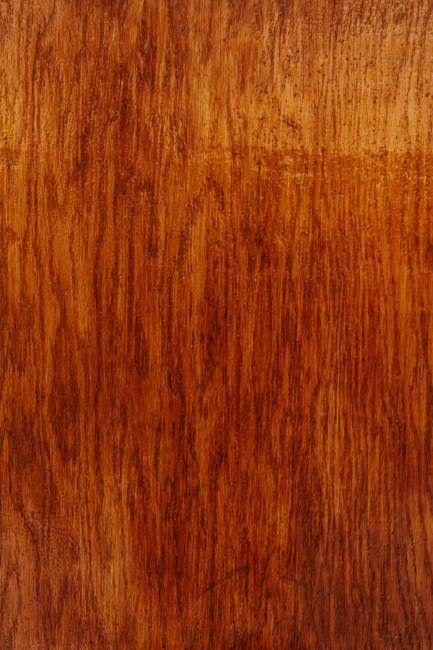
Solid timber flooring is milled from single, continuous boards and showcases the full depth and grain of the wood. Its longevity is a key advantage — with correct maintenance, solid timber can last for decades and be sanded back to renew the surface several times. The trade-off is that solid boards are more prone to expansion, contraction, cupping and splitting when exposed to rapid moisture or temperature changes.
Which flooring type offers superior durability and stability for commercial spaces?
For dimensional stability in commercial settings, engineered wood typically outperforms solid timber. Its layered construction resists the warping and movement that humidity changes can cause, making it a reliable choice where consistent performance is essential.
How does engineered wood flooring perform in high-traffic commercial areas?
Engineered floors are designed for heavy use: a robust wear layer resists scratches and dents, and the stable core reduces the risk of movement-related defects. For retail, office and hospitality projects where floors see constant traffic and variable conditions, engineered timber delivers dependable performance and a long service life when installed and maintained correctly.
What are the longevity and refinishing capabilities of solid timber flooring?
Solid timber's strongest appeal is its lifespan. Because it's a full-depth hardwood, it can be sanded and refinished multiple times to restore the original character of the boards. How often you refinish depends on plank thickness and traffic levels, but with attentive care solid timber can remain in service for generations.
How do moisture resistance and environmental factors affect commercial timber flooring choices?
Moisture resistance is a decisive factor in commercial flooring selection. Engineered wood is typically better suited to spaces where humidity or temperature may vary — kitchens, bathrooms, basements or concrete-subfloor projects — because its layered core reduces movement. Solid timber demands a more controlled environment to avoid issues such as cupping, gapping and splitting.
Why is engineered wood flooring more moisture-resistant in commercial applications?
Engineered flooring's resistance to moisture comes from its construction. The plywood or HDF core absorbs less moisture than a full timber board and the cross-laminated layers counteract expansion and contraction. Many engineered products also carry water-resistant surface finishes, making them a practical option for areas where exposure to moisture is likely.
What are the limitations of solid timber flooring regarding moisture and temperature?
Solid timber reacts to changes in humidity and temperature — this can cause swelling, shrinking, cupping or splitting if conditions are not managed. In commercial settings where moisture ingress or wide environmental swings are possible, those risks can translate into increased maintenance and repair costs.
What are the cost implications and return on investment for engineered vs solid timber flooring?
Cost and ROI are important considerations. Engineered wood generally has a lower upfront cost and reduced lifetime maintenance in many commercial scenarios, which can make it more economical for large projects. Solid timber can command a higher initial price but, with its capacity for repeated refinishing, it can deliver strong long-term value in the right setting.
Which commercial environments are best suited for engineered or solid timber flooring?
Match the floor to the space. Engineered timber suits high-traffic areas and spaces with variable humidity. Solid timber is ideal where authenticity and character are priorities and environmental conditions are controlled — for example, luxury retail, boutique hotels and heritage buildings.
Why choose engineered wood flooring for offices, retail, and hospitality?
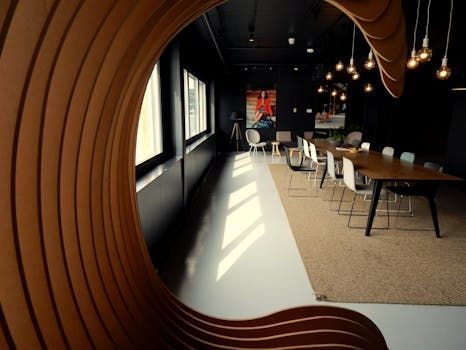
Engineered timber combines resilience and aesthetics, making it a popular choice for offices, retail spaces and hospitality. It handles heavy footfall, can be finished in a wide range of looks, and is suitable for installation over many subfloors — including concrete — offering design flexibility without compromising performance.
When is solid timber flooring ideal for luxury and heritage commercial spaces?
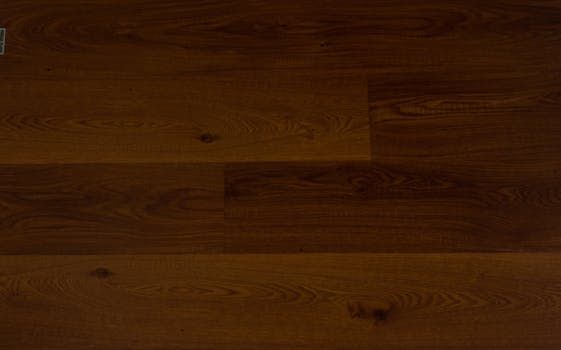
Solid timber is often chosen for spaces where authenticity, material depth and historic character matter most. Its natural grain and patina add warmth and status to high-end retail, boutique hotels and restored heritage sites. When installed in a controlled environment and maintained correctly, solid timber contributes timeless value and a distinctive atmosphere.
Frequently Asked Questions
What are the environmental benefits of choosing engineered wood flooring?
Engineered wood can be a more resource-efficient option. Many manufacturers use sustainably harvested timber for the top veneer, and the multi-layered design makes better use of each log, reducing demand for large volumes of solid hardwood.
Can engineered wood flooring be installed over existing floors?
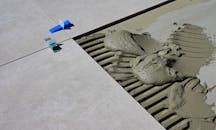
Yes — engineered timber is frequently specified over existing, suitable subfloors. It can be laid above concrete, tile or existing hardwood, provided the surface is level and structurally sound. Always consult a flooring professional to assess the substrate and ensure correct installation methods are used.
How do I maintain engineered wood flooring in a commercial setting?
Routine maintenance keeps engineered floors looking their best. Regularly remove grit with a soft broom or vacuum, use a damp mop with a pH-neutral cleaner and avoid excess water. Depending on foot traffic, the wear layer may need refinishing every few years.
Conclusion
Selecting the right timber floor for a commercial project means balancing performance, appearance and long-term cost. Engineered wood delivers stability and moisture resistance for demanding environments; solid timber provides depth and longevity where conditions are controlled. For tailored advice, product selection and professional installation, contact Dyfed Richards — we'll help you specify a floor that looks exceptional and performs reliably for years to come.