Understanding Timber Flooring Acclimatisation and Moisture Content
Timber floors look great and last for years — but success depends on getting acclimatisation and moisture right. This guide explains why acclimatising wood matters, the moisture ranges installers look for, and how to manage moisture through testing and preparation. Ignoring these steps can lead to common failures such as warping and buckling; taken seriously, they keep your floor stable and beautiful.
What is Timber Flooring Acclimatisation and Why is it Essential?
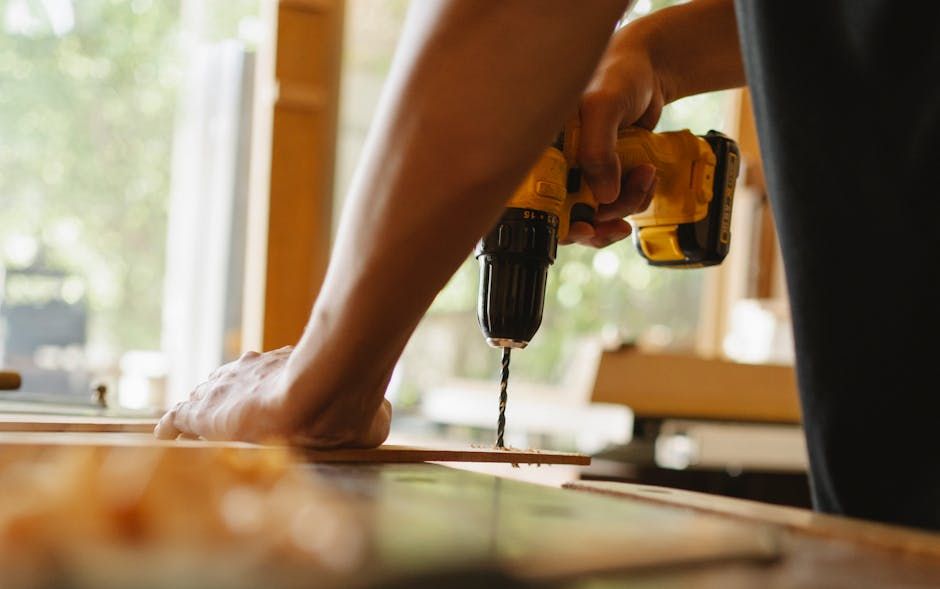
Acclimatisation means letting timber settle into the temperature and humidity of the room where it will be fitted before it's fixed down. Because timber swells and shrinks with moisture and heat, this step reduces movement after installation. Doing it properly is one of the simplest ways to protect the floor's appearance and structural stability.
How Does Acclimatisation Prevent Wood Movement and Damage?
By allowing boards to reach their equilibrium moisture content (EMC) with the room, acclimatisation reduces the wood's tendency to gain or lose moisture once installed. That controlled adjustment helps prevent gaps, cupping, crowning and buckling — the typical signs of moisture-related movement — and keeps the floor performing as intended.
What are the Differences Between Solid and Engineered Wood Acclimatisation?
Solid and engineered timbers behave differently. Solid wood usually needs longer on-site acclimatisation — commonly 5 to 14 days, depending on species, thickness and conditions — because it responds more to ambient humidity. Engineered boards, with their layered construction, typically stabilise faster, often within 2 to 5 days. Knowing the difference informs scheduling and avoids costly problems.
What are the Ideal Moisture Content Levels for Timber Flooring?
Target moisture content depends on the product and local climate. As a rule: solid wood is usually best between 6% and 9%; engineered timber commonly sits between 7% and 11%. Keeping moisture where it should be is essential to avoid warping, shrinkage and other defects. The installation environment should support those ranges while boards acclimatise and after they're laid.
How Do Equilibrium Moisture Content and Relative Humidity Affect Wood Stability?
Equilibrium moisture content (EMC) is the point where timber stops gaining or losing moisture in a given environment. Relative humidity (RH) drives that equilibrium: higher RH pushes EMC up, lower RH pulls it down. Managing RH in the space is therefore central to keeping timber stable over time.
What Temperature and Humidity Ranges Support Proper Acclimatisation?
We recommend maintaining temperatures between 18°C and 24°C and relative humidity around 40%–60% during acclimatisation. These conditions allow timber to equalise without undue stress; extremes outside these ranges increase the risk of post-installation problems.
How to Conduct Effective Subfloor Moisture Testing?

Subfloor moisture is a frequent culprit when floors fail. Thorough testing and preparation are non-negotiable: they reveal hidden moisture sources and tell you whether a damp-proofing strategy or drying period is required before you fit the timber.
Which Moisture Meters are Best for Measuring Wood and Subfloor Moisture Content?
Choose the meter to suit the task. Pin-type meters give direct, contact readings by penetrating the wood; pinless meters scan moisture non-destructively using electromagnetic sensors. Both are valuable — pin meters for spot checks, pinless for quick surveys — and a good installer will use them together for a complete picture.
What are the Steps to Prepare and Test Subfloors?
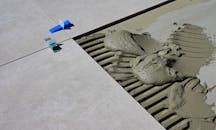
First, measure subfloor moisture with appropriate meters to establish baseline levels. Then ensure the subfloor is clean, dry and free of loose material or contaminants. On concrete, install a damp-proof membrane or moisture barrier where required to prevent moisture transfer. Finally, correct any unevenness so the timber sits flat and is supported across its full width. Following these steps creates a stable platform and reduces the chance of moisture-related faults after installation.
What are Common Moisture-Related Problems in Timber Flooring?
Moisture problems show up as dimensional changes and surface defects. Identifying the cause — environmental humidity, subfloor moisture, or installation errors — lets you apply the right remedy before small issues become visible damage.
What Causes Cupping, Crowning, Gapping, and Buckling in Wood Floors?
These faults all stem from moisture imbalance. Cupping happens when the board's underside is wetter than the top so edges rise; crowning is when the board's centre sits higher than its edges, often after sanding a cupped board; gapping appears when boards dry and shrink; buckling is a severe lift from the subfloor caused by excess moisture or inadequate fixing. Regular moisture checks and correct acclimatisation are the best prevention.
How Do HVAC Systems Help Mitigate Moisture Issues?
Well-maintained HVAC and dehumidification systems stabilise temperature and RH, which in turn stabilises timber. Consistent environmental control during and after installation reduces seasonal movement and helps maintain the floor's appearance and performance.
How Does Underfloor Heating Impact Timber Flooring Moisture Management?
Underfloor heating changes the way timber behaves: it speeds moisture exchange and can increase drying stresses if not managed correctly. With the right product selection and installation protocol, timber performs well over underfloor heating — but it requires attention to detail.
What Special Considerations are Needed for Wood Floors Over Underfloor Heating?
Choose stable materials — engineered boards or hardwood species known for dimensional stability — and ensure the heating system delivers even, controlled warmth. As a rule, the floor surface should not exceed about 27°C; higher temperatures risk excessive drying and movement.
Frequently Asked Questions
What is the best time to start the acclimatisation process for timber flooring?
Start acclimatisation at least 5 to 14 days before installation, according to the product type. This timeframe lets the timber equalise with the room's temperature and humidity. During this period, keep the space at normal living conditions and monitor readings so the boards reach an appropriate EMC before fixing.
How can I tell if my timber flooring has been properly acclimatised?
Use a moisture meter to check board readings against the expected range for the product. If measurements are within the recommended limits and the boards show no stress signs (cupping, severe gaps), acclimatisation was successful. If in doubt, consult your installer before fixing.
What should I do if my timber flooring starts to warp or buckle after installation?
Act quickly: check moisture readings in both the flooring and the subfloor and inspect for leaks or elevated humidity. Depending on the cause, remedies range from drying and environmental control to repair or replacement of affected boards. Professional assessment will identify the correct corrective action.
Conclusion
Getting acclimatisation and moisture management right is the best investment you can make in a timber floor. Follow the recommended testing and installation practices or rely on experienced professionals like Dyfed Richards to manage the details. The result: a floor that looks great and performs reliably for years to come.