Specifying Timber Flooring for Hospitality and Hotel Projects
Timber flooring is one of the most powerful design decisions in hospitality — it sets tone, endures heavy use and, when specified correctly, delivers long-term value. This guide walks through the specifications, benefits and trade-offs you need to consider when choosing timber for hotels in the UK. We cover timber species, the impact of UK standards, the case for luxury engineered wood, and practical strategies for specifying floors that balance durability with a premium finish.
What are the key specifications for hotel wood flooring in the UK?
Specifying hotel wood flooring in the UK means balancing technical requirements and design intent. Key considerations include timber species and construction, compliance with relevant UK standards, appropriate finishes and installation methods — all selected to reflect the hotel's brand and anticipated footfall.
Which timber types are best suited for UK hospitality flooring?
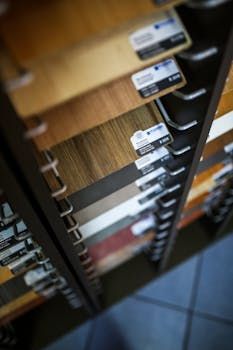
Oak, maple and walnut are commonly specified for UK hotels because each brings distinct benefits. Oak delivers proven durability and a timeless look for busy corridors and public areas. Maple gives a pale, contemporary aesthetic while handling wear well. Walnut offers a richer, more luxurious palette that's ideal for premium suites and reception zones. Choosing between them is about matching appearance, hardness and maintenance expectations to the space.
How do UK standards influence hotel wood flooring specifications?
UK standards shape both safety and performance requirements. Compliance with fire testing such as BS 476 and slip-resistance guidance like BS 7976 should be factored into material selection, finishes and installation. These standards affect the choice of underlay, adhesives and coatings, and they ensure the finished floor meets legal, operational and guest-safety expectations.
How to choose luxury engineered wood flooring for hospitality projects?
Luxury engineered wood is a pragmatic choice for hotels: it gives the look of solid timber with greater dimensional stability. Selecting the right engineered product means checking board construction, top-layer thickness, surface finish and how the floor will be installed and maintained.
What are the benefits of engineered wood in luxury hotel interiors?
Engineered wood offers improved resistance to moisture and thermal movement compared with solid boards, reducing the risk of warping or cupping in variable environments. It lets you specify thicker wear layers for future refinishing while keeping installation options flexible — glued, floated or fully bonded — which is valuable in commercial fit-outs.
Which finishes enhance the appearance and longevity of engineered wood?
Surface finish is critical for both appearance and long-term performance. Matte, satin and gloss options alter the look, but it's the type of coating that matters operationally: UV-cured polyurethanes and high-quality hardwax oils provide robust protection against abrasion and frequent cleaning. Choose finishes tested for commercial wear and compatible with your maintenance regime.
What makes timber flooring durable for commercial hotel use?
Durability in a hotel setting comes from selecting the right species and construction, applying an appropriate finish, and committing to a practical maintenance plan. Attention at specification and installation stages prevents many common failures.
How does timber flooring resist wear and tear in high-traffic areas?
Wear resistance depends on wood hardness, the thickness of the wear layer, and the finish system. Hardwoods such as oak and maple stand up well to scuffs and dents; a robust factory finish further protects the surface. Correct installation — acclimatising boards, using suitable underlay and following manufacturer guidance — reduces movement and the risk of gaps or buckling.
Which maintenance practices extend the life of hotel wood floors?
Routine care and periodic renewal preserve function and appearance. Best-practice maintenance typically includes regular cleaning with daily sweeping or vacuuming plus scheduled damp mopping with a pH-neutral cleaner. Protective entrance mattings at external and internal thresholds capture grit and moisture before it reaches the wood. Planned refinishing at intervals determined by traffic levels and wear-layer thickness restores appearance and protection.
What are bespoke hotel flooring solutions and their advantages?
Bespoke flooring lets a hotel express its identity through material, pattern and finish. Bespoke solutions can enhance guest perception and create memorable, on-brand spaces when chosen with operational realities in mind.
How can custom timber flooring reflect hotel brand identity?
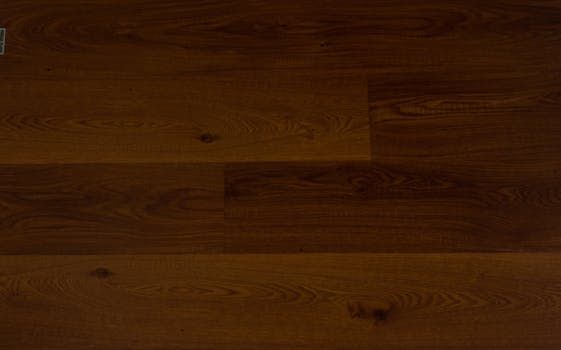
Custom timber schemes use species, stains, inlays and installation patterns to reinforce a hotel's narrative. A luxury hotel might specify deep-stained walnut and intricate parquet in reception, while a contemporary boutique property could use wide-plank, lightly oiled oak for a cleaner, warmer feel. Thoughtful customisation ties the floor into the wider guest experience.
What are the design options for bespoke hotel wood floors?
Design options range from species selection and bespoke stains to installation patterns such as herringbone, chevron or wide-plank layouts. Surface treatments, grading and board widths further refine the look. The key is to match the visual ambition with durability and maintenance needs so the design performs over time.
How to specify commercial timber flooring for hotels effectively?
Effective specification is pragmatic: define performance requirements first, then match material and detailing to those needs while controlling cost and ensuring installability.
What are the installation considerations for hotel timber floors?
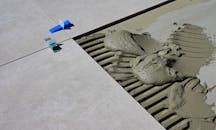
Installation must account for site conditions and long-term performance. That includes acclimatising timber to site humidity and temperature, selecting underlays for acoustic and moisture control, and following adhesive and fixing guidelines. Early coordination with contractors avoids moisture-related failures, uneven finishes or future movement issues.
How to balance cost, quality, and aesthetics in hotel flooring choices?
Balancing cost and quality starts with lifecycle thinking: a slightly higher initial cost for a thicker wear layer, better finish or more stable construction often reduces long-term maintenance and replacement expense. Prioritise durability in high-traffic zones and reserve premium timber and bespoke detailing for guest-facing or signature spaces.
Frequently asked questions
What is the average lifespan of timber flooring in hotels?
Lifespan varies with species, construction, traffic and maintenance. Well-maintained solid hardwood can last 15–30 years; engineered floors with adequate wear-layer thickness typically last around 10–20 years. Regular cleaning and timely refinishing are the most influential factors in extending service life.
What are the best practices for cleaning timber flooring in hotels?
Use daily dry cleaning to remove grit, and damp-mop with a pH-neutral product recommended for the finish. Avoid excess water and harsh chemicals. Protective mats and felt pads beneath furniture help prevent premature wear and scratching.
What are the eco-friendly options for timber flooring in hotels?
Look for FSC- or PEFC-certified timber, responsibly sourced or reclaimed wood, and low-VOC finishes and adhesives. These choices reduce environmental impact and support healthier indoor air quality without compromising design quality.
Conclusion
Choosing timber for hospitality projects means thinking beyond aesthetics: consider species, construction, finishes, standards and maintenance from the outset. When specified with performance and brand intent in mind, timber delivers enduring beauty and a strong return on investment. If you'd like expert guidance on choosing or specifying timber flooring for your hotel, our resources and teams are here to help.