Herringbone and Chevron Flooring: A Comparison Guide
Herringbone and chevron patterns are two of the most-loved parquet styles for contemporary interiors. This guide walks you through their defining traits, the pros and cons of each, suitable materials, installation considerations and typical costs — so you can choose a floor that truly suits your space and design intent. Whether you're a homeowner planning a refresh or a designer specifying finish details, understanding these patterns helps you make a confident, considered choice.
What are herringbone and chevron flooring patterns?
Both patterns are forms of parquet that bring texture and movement to a room, but they achieve that effect in different ways. Each uses repeated wooden elements laid in a planned sequence, yet the cut and layout change the overall rhythm and character of the floor.
What defines herringbone flooring and where does it come from?
Herringbone is recognised by its broken zigzag: rectangular planks laid so the ends meet at opposing angles to form a staggered V. The pattern has roots in Roman brickwork and later became a hallmark of European interiors — think grand townhouses and period estates. Its historic pedigree gives herringbone a classic, layered feel that works beautifully in both traditional and contemporary settings.
How is chevron flooring characterised and what is its origin?
Chevron produces a continuous V by joining planks cut at an angle (commonly 45° or 60°) so the ends meet to form a straight seam. Originating in 16th-century France and popularised in later centuries, chevron reads as more streamlined and architectural than herringbone — a go-to for modern interiors seeking clean geometry.
What are the key differences between herringbone and chevron flooring?
Both patterns are distinctive, but small differences in plank shape and layout create noticeably different visual effects — factors that should guide your specification and design decisions.
How do plank cuts and angles differ between herringbone and chevron?
The fundamental distinction is in the plank geometry. Herringbone uses rectangular boards set at angles to create a broken, staggered zigzag. Chevron requires planks cut to an angle so they meet tip to tip, forming a continuous V with a straight, linear joint. That difference in cut and repeat changes how the pattern reads across a room.
What visual and aesthetic impact does each pattern have?
Herringbone feels lively and characterful — it adds texture and a sense of depth that complements traditional and eclectic interiors. Chevron presents a more formal, directional look that emphasises flow and symmetry, suiting minimalist or contemporary schemes. Your choice will set the tone for the whole room.
What are the advantages and disadvantages of herringbone and chevron for interior design?
Each pattern brings benefits and trade-offs. Consider aesthetics, installation complexity and waste when deciding which is right for your project.
What benefits and challenges does herringbone flooring present?
Herringbone delivers timeless appeal and visual richness; it works well in a wide range of timber species and finishes. It can make smaller rooms feel more textured and interesting. Installation is more intricate than a straight-laid floor, so labour and time are higher — but the result is highly distinctive and often worth the investment.
What are the strengths and limitations of chevron flooring?
Chevron reads as clean and sophisticated, creating a strong directional flow that suits contemporary spaces. Because planks are cut to angle, material waste can be higher and cutting/installation more exacting, which typically increases cost. It's less forgiving of rustic or heavily textured furniture styles than herringbone, so consider the wider scheme.
Which materials and finishes are best suited for herringbone and chevron flooring?
Material choice and finish determine not only look but long-term performance. Match species and coating to the room's use, light and desired character.
Which wood types are ideal for these patterns?
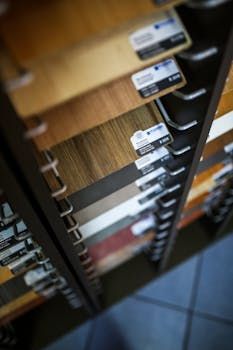
Oak is the most common choice for both patterns thanks to its durability and versatile grain. Walnut offers deeper, more elegant tones for formal settings, while maple and lighter species create a fresher, contemporary palette. Engineered boards are also widely used where stability over underfloor heating or uneven substrates is required.
How do different finishes affect durability and appearance?
Finishes change both look and resilience. Oil finishes accentuate grain and give a natural, tactile surface; water-based lacquers tend to be harder wearing and clearer in tone. Choose a finish based on desired sheen, maintenance expectations and the room's foot traffic.
How do installation and maintenance considerations affect herringbone and chevron flooring?
Install and care decisions will affect cost, longevity and how the floor ages. Plan accordingly to protect your investment.
What are the installation requirements and methods for each pattern?
Both patterns demand accuracy. Herringbone requires precise alignment and a well-prepared, level subfloor with appropriate adhesives or secret nailing depending on the product. Chevron also needs meticulous cutting and joining at the angles, often with more offcuts to manage. Engaging an experienced fitter is essential for a flawless finish.
How should long-term care and refinishing be approached?
Regular sweeping or vacuuming and occasional damp mopping with a pH-neutral cleaner will keep the surface looking its best. High-traffic areas may need spot repairs or full refinishing after several years depending on wear. Always follow the floor manufacturer's maintenance guidance to protect the finish.
What are the cost implications and value propositions of herringbone and chevron flooring in the UK?
Costs vary with species, finish and installation complexity. Below are typical ranges to help with budgeting.
What are the typical material and labour costs for these patterns?
Indicative material costs are: herringbone from £40 to £90 per square metre and chevron from £50 to £100 per square metre, reflecting the extra cutting and waste for chevron. Professional installation usually adds around £20 to £40 per square metre, depending on site conditions and the fitter's expertise.
How do these flooring patterns enhance property value and client satisfaction?
Well-specified parquet floors are widely perceived as premium finishes, adding character and perceived value to a property. Buyers and clients often regard herringbone and chevron as signs of considered design — this can boost appeal and satisfaction when the installation and material quality match the expectation.
Both herringbone and chevron deliver distinctive, high-impact floors. The right choice depends on your aesthetic aims, budget and how the room will be used. At Dyfed Richards we supply premium materials and work with experienced fitters to ensure the final result enhances a property's look and value.
Conclusion
Choosing between herringbone and chevron transforms more than just your floor — it sets the tone for the whole room. Both patterns offer lasting style when matched to the right timber, finish and installation approach. If you'd like tailored advice or a sample pack, our team at Dyfed Richards can help you specify the perfect floor for your project.