American Walnut Flooring for Executive Interiors
American Walnut remains a first-choice for executive interiors: its warm tones and distinctive grain lift a room, while its practical performance suits moderate office use. This piece explains what makes walnut special, how responsibly sourced timber supports corporate sustainability goals, and the design and construction choices — from engineered or solid boards to bespoke patterns and finishes. We also cover installation and care, and outline how Dyfed Richards partners with clients to deliver considered, long-term flooring solutions.
What Makes American Walnut Flooring Ideal for Executive Interiors?
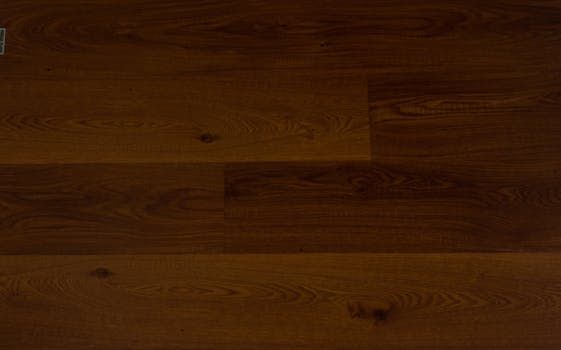
American Walnut is prized for its rich, warm palette and elegant grain, qualities that create an immediate impression in executive spaces. It offers good durability for typical office traffic and ages gracefully when cared for. When sourced responsibly, walnut also satisfies sustainability commitments — a combination of aesthetic authority and environmental integrity that suits boardrooms, reception areas and client-facing offices.
What Are the Key Characteristics and Grades of American Walnut?
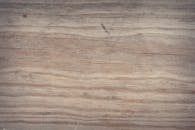
Walnut is offered in a number of grades that influence its look and character. Select (or Prime) grade delivers a more even colour and minimal knotting — a refined choice for formal spaces. Rustic grade embraces natural variation, knots and mineral streaks, adding texture and warmth where a more relaxed, characterful finish is wanted. Across grades, the wood's straight or swirling grain patterns remain a defining visual asset.
How Does Sustainable Sourcing Enhance Luxury and Responsibility?
Sustainable sourcing underpins the modern appeal of American Walnut. FSC certification and traceable supply chains demonstrate responsible forestry and help organisations meet sustainability targets. Choosing certified walnut means selecting a material that balances provenance, biodiversity and the longevity of the finished interior.
How Do Engineered and Solid American Walnut Flooring Compare for Executive Spaces?
The choice between engineered and solid walnut comes down to site conditions, budget and long-term goals. Both deliver walnut's signature look, but their construction and performance differ in ways that matter for commercial projects.
What Are the Benefits of Engineered American Walnut for Commercial Stability?
Engineered walnut features a hardwood veneer bonded to stable core layers. That construction reduces movement from humidity and temperature changes, making it well suited to offices and spaces with underfloor heating. It's typically quicker to install and can be more cost-efficient on larger areas, while still offering the visual qualities of solid timber.
Why Choose Solid American Walnut for Timeless Executive Elegance?
Solid walnut brings a classic, enduring presence. Its depth of grain and ability to be sanded and refinished multiple times mean the floor can be refreshed across decades — a strong long-term investment for prestigious interiors. It requires careful environmental management but rewards with unique character and longevity.
Which Bespoke Designs and Finishes Elevate American Walnut Floors in Executive Interiors?
Bespoke layouts and finishes transform walnut from a material into a signature surface. Thoughtful patterning and the right finish allow the floor to complement a brand, control scale and direct circulation within an interior.
How Do Parquet, Herringbone, and Chevron Patterns Create Unique Executive Spaces?
Parquet, herringbone and chevron introduce rhythm and movement to a room. Parquet offers a timeless, geometric backdrop; herringbone adds classic structure with subtle dynamism; chevron creates a more architectural, directional effect. Each pattern can be scaled and bordered to suit the room's proportions and the client's design intent.
What Are the Differences Between Oiled, Lacquered, and Bespoke Finishes?
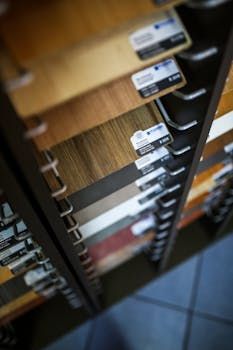
Finishes determine both look and maintenance. Oiled finishes accentuate the natural depth of the timber and produce a soft, matte surface that can be locally repaired. Lacquered systems give higher surface protection and a satin or gloss appearance for busier areas. Bespoke finishes — from tinted oils to specialist lacquers — let you specify tone, sheen and texture so the floor aligns precisely with the design brief.
What Are the Best Practices for Installation and Maintenance of American Walnut Flooring?
Correct installation and sensible maintenance are the best guarantees of longevity and performance for walnut floors.
Why Is Professional Installation Crucial for Executive Flooring Projects?
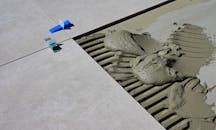
Professional installation ensures boards are acclimatised, laid with the correct expansion gaps and fixed or floated to suit the subfloor. Experienced installers minimise the risk of warping, gaps or other issues that can arise from poor preparation. Engaging specialists protects the specification and reduces lifecycle costs.
How Should You Maintain American Walnut Floors for Longevity and Beauty?
Routine care is straightforward: remove grit with a soft broom or vacuum, then clean with a well-wrung damp mop and a pH-neutral cleaner. Oiled floors will need periodic oil re-application to maintain protection; lacquered floors can be lightly sanded and recoated when showing wear. Avoid abrasive cleaners and excessive water to preserve the finish.
Frequently Asked Questions
What is the lifespan of American Walnut flooring?
Lifespan depends on grade, construction and maintenance. Solid American Walnut can last for many decades — often 50 years or more with appropriate care and occasional refinishing. Well-specified engineered walnut commonly endures 20–30 years or longer. Regular maintenance and correct installation are decisive factors in longevity.
Is American Walnut flooring suitable for underfloor heating?
Yes. Engineered walnut is particularly compatible with underfloor heating because its layered construction resists movement. Solid walnut can be used too, but it requires careful temperature control and professional installation to avoid excessive expansion or contraction.
How does American Walnut compare to other hardwood flooring options?
Walnut is valued for its warm tone and refined grain, which create a more luxurious look compared with harder, paler species such as oak or maple. Oak is typically harder and more wear-resistant; walnut offers a distinct aesthetic and good, though moderate, durability. The choice depends on the desired look and the demands of the space.
Can American Walnut flooring be refinished?
Solid walnut can be sanded and refinished multiple times, which extends its usable life significantly. Engineered walnut has a thinner wear layer and therefore a more limited capacity for refinishing — check the manufacturer's specification before planning major refurbishment.
Conclusion
American Walnut delivers an attractive balance of elegance and practicality for executive interiors. Specified and installed correctly — and sourced responsibly — it becomes a long-term asset for any high-end workplace. If you're considering walnut for a project, Dyfed Richards can help with specification, bespoke finishes and professional installation to ensure the floor performs and endures.