Ash Timber Flooring: A Contemporary Alternative to Oak
Ash timber flooring has become a go-to for contemporary interiors because it combines clean, natural looks with practical performance. This guide walks through the benefits of ash compared with traditional oak, explains the types of ash flooring available across the UK, and covers installation and care so your floor lasts. You'll also see why Dyfed Richards is a trusted partner for specifying and fitting ash floors.
What are the key benefits of ash wood flooring in contemporary design?
Ash brings a number of practical and aesthetic advantages that suit modern homes. Its pale tones and pronounced grain create a light, flexible backdrop that works with a wide range of styles. On top of that, ash is a resilient hardwood that stands up well in busier areas of the home.
How does ash flooring enhance modern interior aesthetics?
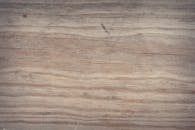
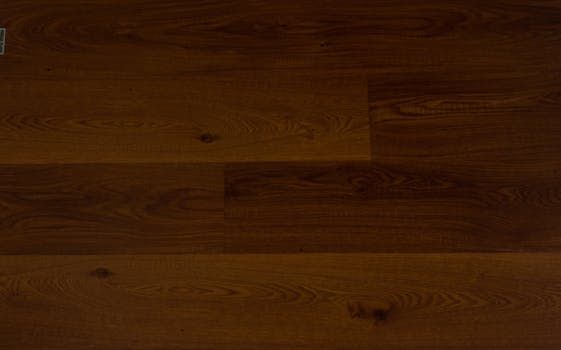
Ash's appeal comes from its soft, natural colour and distinctive grain. Those characteristics make it easy to pair with minimalist schemes, Scandinavian palettes or more eclectic interiors. Because it adapts so readily, designers often choose ash when they want a clean, inviting floor that doesn't overpower the rest of the room.
What durability and performance advantages does ash offer?
Ash scores around 1,320 lbf on the Janka hardness scale, giving it good resistance to dents and everyday wear — a real asset for families and commercial spaces. It also performs well against impact and maintains its appearance with regular care. Put simply, ash offers a sensible mix of beauty and long-term practicality.
How does ash timber flooring compare to oak? A detailed UK perspective
Ash and oak are both popular choices, but each has distinct qualities that affect appearance, performance and cost. Below we compare the most relevant factors to help you decide which suits your project.
What are the differences in hardness, grain, and colour between ash and oak?
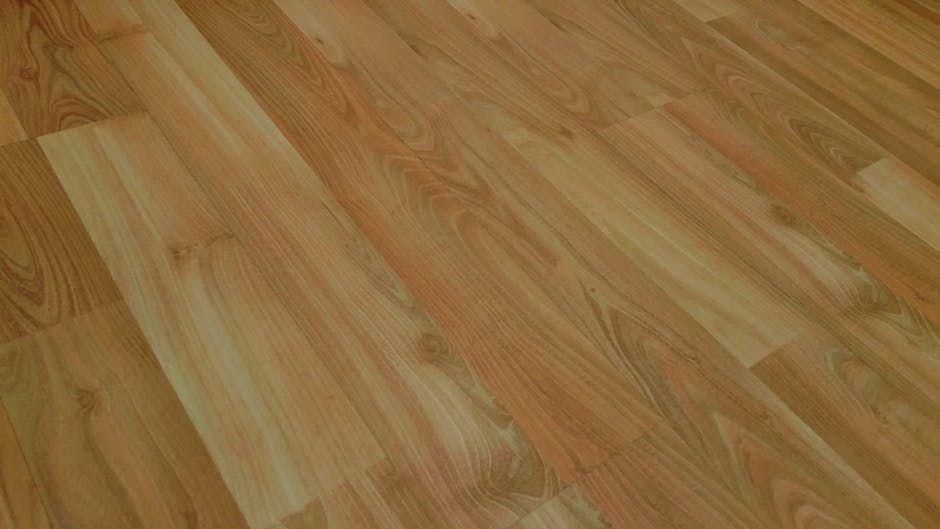
Ash has a Janka rating of 1,320 lbf with a straight, open grain and pale cream to light brown colour. Oak rates at 1,360 lbf with a more prominent, varied grain and light to medium brown tones. Both are durable hardwoods, but ash tends to offer a lighter, more contemporary aesthetic while oak delivers classic warmth and character.
Is ash flooring more cost-effective than oak for UK projects?
Generally, ash can be a more affordable option than oak, offering a high-end look for a lower initial outlay. Because it's durable, that lower price often translates into good long-term value for both homes and commercial fit-outs.
What types of ash flooring are available in the UK market?
The UK market stocks several ash formats to suit different needs — from engineered boards for stability to solid planks for traditional installations. Knowing the differences helps you pick the right product for the room and the subfloor.
What are the features of engineered ash flooring?
Engineered ash is built from multiple bonded layers with a real ash wear layer on top. That construction gives greater dimensional stability and better resistance to moisture compared with solid boards, making engineered ash suitable for areas with changing humidity or for installations over subfloors like concrete.
How do solid ash flooring grades and finishes differ?
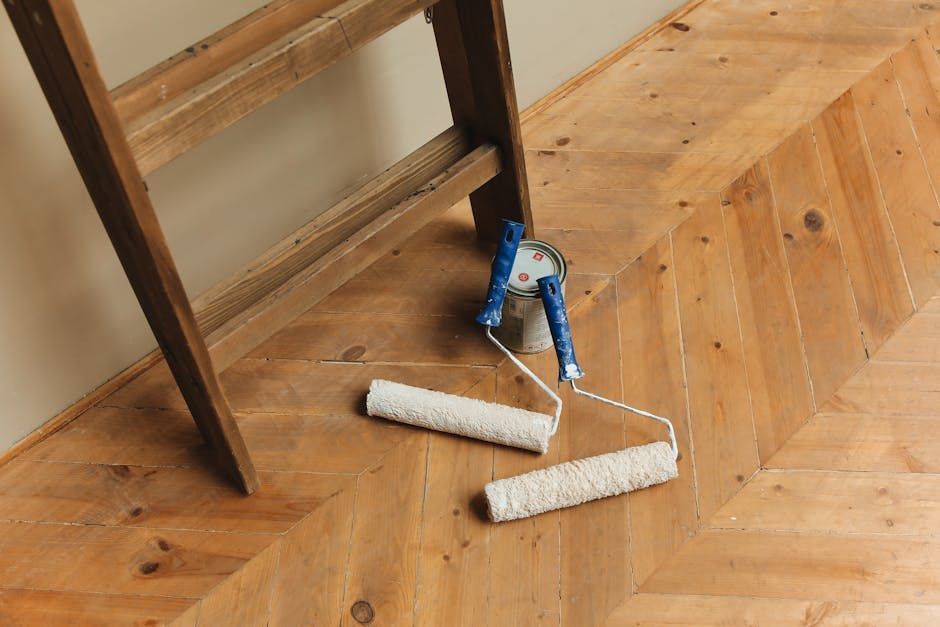
Solid ash comes in a range of grades and finishes. Higher grades have fewer knots and a more uniform look, while rustic grades show more character. Finishes span natural oils to lacquers and stains, so you can tailor the final colour and sheen to your scheme.
How is ash timber flooring installed and maintained for longevity?
Correct installation and sensible maintenance are key to keeping ash floors looking their best for decades. Follow best practices at both stages to avoid common issues like movement and premature wear.
What are the best practices for professional ash flooring installation?
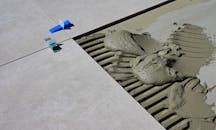
Professional installation begins with a properly prepared subfloor and correct site conditions. Boards should be acclimatised to the room's temperature and humidity before fitting, and installers should use the recommended adhesives, fixings or floating systems for the product. These steps reduce the risk of warping and ensure a secure, long-lasting finish.
How should ash floors be maintained and finished for durability?
Routine care — regular sweeping or vacuuming and occasional damp mopping with a manufacturer-approved cleaner — will protect the surface. Avoid excess water and use felt pads under furniture. When wear becomes visible, refinishing with the appropriate product will restore the floor and extend its life.
Frequently Asked Questions
What is the lifespan of ash timber flooring?
With proper care, ash floors can last for many decades. You can typically expect 20–30 years of service, and routine cleaning plus periodic refinishing will help extend that life.
Can ash flooring be installed over underfloor heating?
Yes — engineered ash is commonly used over underfloor heating. Solid boards can be more sensitive to temperature changes, so always choose a product rated for heating systems and follow installation guidelines to prevent movement.
Is ash flooring suitable for homes with pets?
Ash is a practical choice for pet households thanks to its reasonable hardness (Janka ~1,320 lbf) and impact resistance. Regular maintenance and quick attention to spills or scratches will keep the floor looking its best.
How does the cost of ash flooring compare to other hardwoods?
Ash is often more cost-effective than many hardwoods, including oak and maple. Its lower price point combined with solid durability makes it an economical option for achieving a premium appearance.
Conclusion
Ash timber flooring offers a stylish, practical alternative to oak — bringing light, character and strong performance to modern UK interiors. Its cost-effectiveness and durability make it suitable for homes and commercial spaces alike. Work with Dyfed Richards to source sustainably and specify the right product for your project. Explore our ash flooring options and let us help you get the finish you want.