Carbon Footprint and Timber Flooring: An Environmental Perspective
Understanding the carbon footprint of building materials is vital when specifying sustainable projects — and timber flooring is a material that rewards careful consideration. This guide breaks down the environmental story behind timber floors: what embodied carbon means, how life cycle assessment (LCA) clarifies real impacts, and why responsibly sourced timber matters. We explain how timber can support lower-carbon construction, the relevance of certifications and LCA data, and how well-chosen flooring can help you meet net‑zero ambitions.
What is embodied carbon in timber flooring and why does it matter for sustainability?
Embodied carbon covers the greenhouse gases produced across a product's life — from extraction and manufacture to transport, installation and end‑of‑life. It's a core metric for comparing materials and understanding long‑term climate impact. When timber is sourced and manufactured responsibly, its embodied carbon is often lower than many alternatives, making it a strong candidate for sustainable projects. Knowing the embodied carbon of timber flooring helps specifiers and homeowners choose options that reduce a building's overall carbon burden.
How is embodied carbon calculated at each stage of a timber floor's life cycle?
Calculating embodied carbon follows the product through stages such as harvesting, milling, manufacture, shipping, installation, use and disposal or recycling. Each stage contributes emissions depending on energy sources, material waste, transportation distances and processing methods. Reliable results come from detailed activity data and LCA tools that quantify energy consumption and emissions at every step, giving a clearer picture of a timber floor's true environmental cost.
What part does biogenic carbon storage play in a timber floor's footprint?
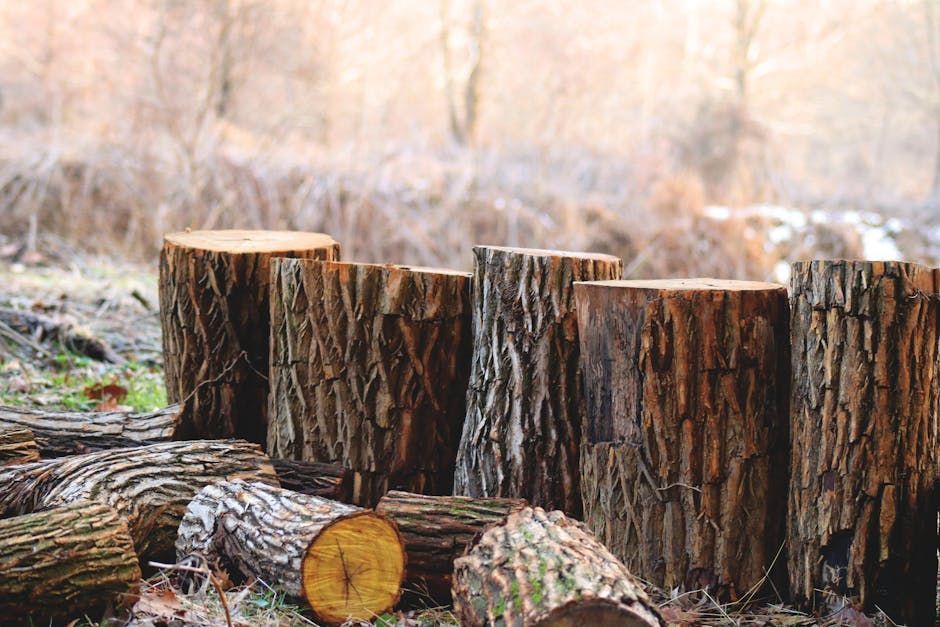
Biogenic carbon is the CO₂ that trees absorb as they grow and store in wood. When that wood becomes flooring, the carbon remains sequestered for the product's lifetime — effectively reducing the net carbon associated with the building. Responsibly managed forests and careful end‑of‑life planning maximise this benefit, so timber floors can act as a carbon store as well as a material choice that supports climate goals.
How does life cycle assessment guide better choices for eco-friendly timber flooring?
Life Cycle Assessment (LCA) is the standard method for measuring environmental impacts across a product's life. For timber flooring, LCA highlights hotspots — where emissions, water use or waste are highest — and points to where improvements will have the most effect. Using LCA data lets manufacturers, designers and clients compare options on an apples‑to‑apples basis and choose products that genuinely reduce environmental harm.
Which environmental impact categories matter most in a timber flooring LCA?
Key impact categories typically include carbon emissions, energy demand, water use and waste generation. Each category reveals different trade‑offs: a product with low emissions might still use more water, for example. Reviewing these categories together gives a balanced view of a floor's environmental performance and helps you align material choices with project sustainability targets.
How do we use LCA data to shape sustainable flooring solutions?
At Dyfed Richards we incorporate LCA insights into material selection and product development, prioritising manufacturers and mills with transparent data and responsible practices. That means choosing timber with lower processing emissions, shorter transport routes where possible, and suppliers who demonstrate good forest stewardship. Using LCA helps us recommend flooring that balances durability, aesthetic quality and the lowest practical environmental impact.
Why specify FSC-certified and responsibly sourced timber for sustainable floors?
The Forest Stewardship Council (FSC) label verifies that timber comes from forests managed to high environmental and social standards. Choosing FSC‑certified timber supports biodiversity, protects local communities and reduces the risk of illegal logging — all of which lower the broader environmental and social costs of a project. For architects and clients, FSC certification is a straightforward way to demonstrate responsible sourcing.
What sustainability advantages does FSC certification bring to timber flooring?
FSC certification delivers several clear benefits: it promotes healthy forest ecosystems, enforces social safeguards for workers and communities, and provides traceability through the supply chain. Using certified timber can also strengthen a building's sustainability credentials and reassure occupants and stakeholders that materials were chosen with care.
How does responsible sourcing help reduce a timber floor's carbon footprint?
Responsible sourcing reduces carbon impacts by favouring well‑managed forests, reducing unnecessary transport, and encouraging efficient milling and manufacture with less waste. When suppliers prioritise these practices, the embodied carbon of the finished floor falls — and you get a product that performs well while supporting sustainable forestry and local economies.
Engineered versus solid wood flooring — which has the lower carbon footprint?
Comparing engineered and solid wood flooring requires looking at how each product is made and used. Engineered floors often have a lower embodied carbon because they use less slow‑grown hardwood in the construction and can incorporate more sustainably sourced core layers. They also tend to be dimensionally stable, which can extend lifespan and reduce replacement frequency.
What environmental benefits does engineered wood flooring offer?
Engineered wood conserves high‑quality timber by using thinner surface layers over a core of faster‑grown species or recycled wood. This resource efficiency preserves forest stocks while still delivering the appearance of real hardwood. Improved stability and often easier installation can also lengthen a floor's useful life and reduce lifecycle impacts.
How do solid wood floors compare for sustainability and carbon storage?
Solid wood requires more timber per plank and can have a higher embodied carbon at manufacture, but it stores a significant amount of biogenic carbon and can last for decades when well maintained. Solid floors are repairable and recyclable, and when sourced from certified forests they remain a responsible choice — particularly in schemes where long service life and carbon storage are priorities.
How does timber flooring help meet net-zero building goals and improve indoor health?
Timber flooring supports net‑zero strategies by sequestering biogenic carbon and typically having lower embodied energy than many alternative materials. Combined with wood's natural insulating properties, it can contribute to reduced operational energy demand. Carefully selected, low‑emission timber products also promote healthier indoor environments.
In what ways can timber flooring support net‑zero construction?
Timber contributes to net‑zero by locking carbon into the building fabric and by often requiring less energy to produce than high‑carbon materials like concrete or steel. When paired with efficient building design and responsible end‑of‑life planning, timber floors can significantly reduce a project's whole‑life carbon footprint.
What health and wellbeing advantages do eco-friendly timber floors provide?
Responsibly sourced timber floors generally emit fewer VOCs than many synthetic flooring options, improving indoor air quality. Wood's hygroscopic properties also help moderate humidity, and the natural warmth and texture of timber can enhance occupant comfort and wellbeing. Choosing low‑emission finishes and adhesives further improves indoor health outcomes.
When evaluating environmental impact, key categories include carbon emissions covering greenhouse gases produced across the product's life cycle from forest to disposal, which is crucial for assessing climate impact. Energy use encompasses consumption during extraction, manufacture, transport and installation and drives overall environmental cost. Water consumption covers water required for processing and finishing timber products, important for resource stewardship. Waste generation addresses material lost or disposed of during production and installation, impacting landfill and circularity.
When timber flooring is responsibly sourced and evaluated through life cycle analysis, it becomes a powerful contributor to sustainable building. Understanding embodied carbon, prioritising FSC certification and choosing the right product type helps teams meet environmental targets without compromising on design or durability. At Dyfed Richards we combine craft, data and responsible sourcing to offer bespoke wood floors that look exceptional and perform well against sustainability criteria.
Frequently Asked Questions
Which timber species are considered sustainable for flooring?
Species commonly regarded as sustainable include oak, maple and well‑managed bamboo, provided they come from certified or well‑regulated sources. Reclaimed timber is also an excellent sustainable choice because it repurposes existing material, lowering demand for new harvests. Always check for certification and supplier transparency when selecting species.
How can I find out the carbon footprint of my existing flooring?
To assess the carbon footprint of an existing floor, commission a life cycle assessment or review any manufacturer LCA documentation for that product. If manufacturer data isn't available, sustainability consultants and online carbon calculators can provide estimations based on material type, age and installation method to guide retrofit or replacement decisions.
What maintenance habits help make timber flooring more sustainable?
Simple, regular care extends a floor's life and reduces overall impact: use eco‑friendly cleaners, choose natural oils or low‑VOC finishes, control indoor humidity to prevent damage, and repair rather than replace where possible. Good maintenance keeps a floor performing for decades and reduces the need for new materials.
Which certifications should I look for when buying timber flooring?
Look for Forest Stewardship Council (FSC) and PEFC certification to confirm sustainable forest management. Other credible marks, such as Cradle to Cradle, can indicate broader product sustainability credentials. Certification and transparent chain‑of‑custody documentation are the simplest ways to verify responsible sourcing.
What are the benefits of using reclaimed wood for flooring?
Reclaimed wood reduces demand for fresh timber, cuts embodied carbon, and diverts material from waste streams. It also offers unique character and a sense of history that can't be replicated with new timber. For many projects, reclaimed flooring is both a sustainable and aesthetic win.
How does flooring choice affect indoor air quality?
Floor coverings influence indoor air quality through VOC emissions from the material and any finishes or adhesives used. Responsibly sourced timber with low‑VOC finishes typically outperforms many synthetic options, helping to reduce indoor pollutants and improve occupant health. Specifying low‑emission products and correct installation is key.
Conclusion
Timber flooring, when chosen and specified with life cycle impacts in mind, plays an important role in sustainable construction. By understanding embodied carbon, favouring certified and responsibly sourced timber, and selecting products suited to long service life, you can reduce a building's environmental footprint while keeping design and performance front of mind. Explore our range of high‑quality timber floors to find solutions that combine beauty, durability and sustainability.