Heritage Timber Flooring Restoration: Best Practices for Listed Buildings
Restoring heritage timber floors is central to conserving a listed building's character. This guide sets out clear, practical best practices for sympathetic restoration — from securing listed building consent and choosing compatible materials, to traditional repair methods, expert sanding and long‑term care. Read on to understand the challenges you'll face, the techniques that protect authenticity, and the steps that preserve both value and craftsmanship.
What is Heritage Timber Floor Restoration and Why is it Important?
Heritage timber floor restoration is the careful repair and upkeep of original wooden floors in historic buildings so their form, finish and function endure. Performed well, it preserves architectural integrity and the stories embedded in a property's fabric — the joinery, timber species and surface patina that tell us where and when a building was made.
Beyond aesthetics, sensitive restoration supports sustainability: it extends the life of existing materials, reduces waste and avoids unnecessary replacements. For owners and conservators alike, understanding these priorities is the first step to responsible conservation.
How Does Timber Flooring Reflect Historical and Architectural Authenticity?
Timber floors are a direct record of a building's past. The species used (oak, pitch pine, mahogany), board widths, laying patterns and finishes all point to particular periods and tastes. Georgian boards tend to be wider and restrained; Victorian floors often include inlays and more intricate detailing.
Respecting those original choices during repair — matching species, profiles and surface treatments — preserves the building's authenticity and keeps the historical narrative legible for occupants and future generations.
What Are Common Issues in Period Property Wood Floors?
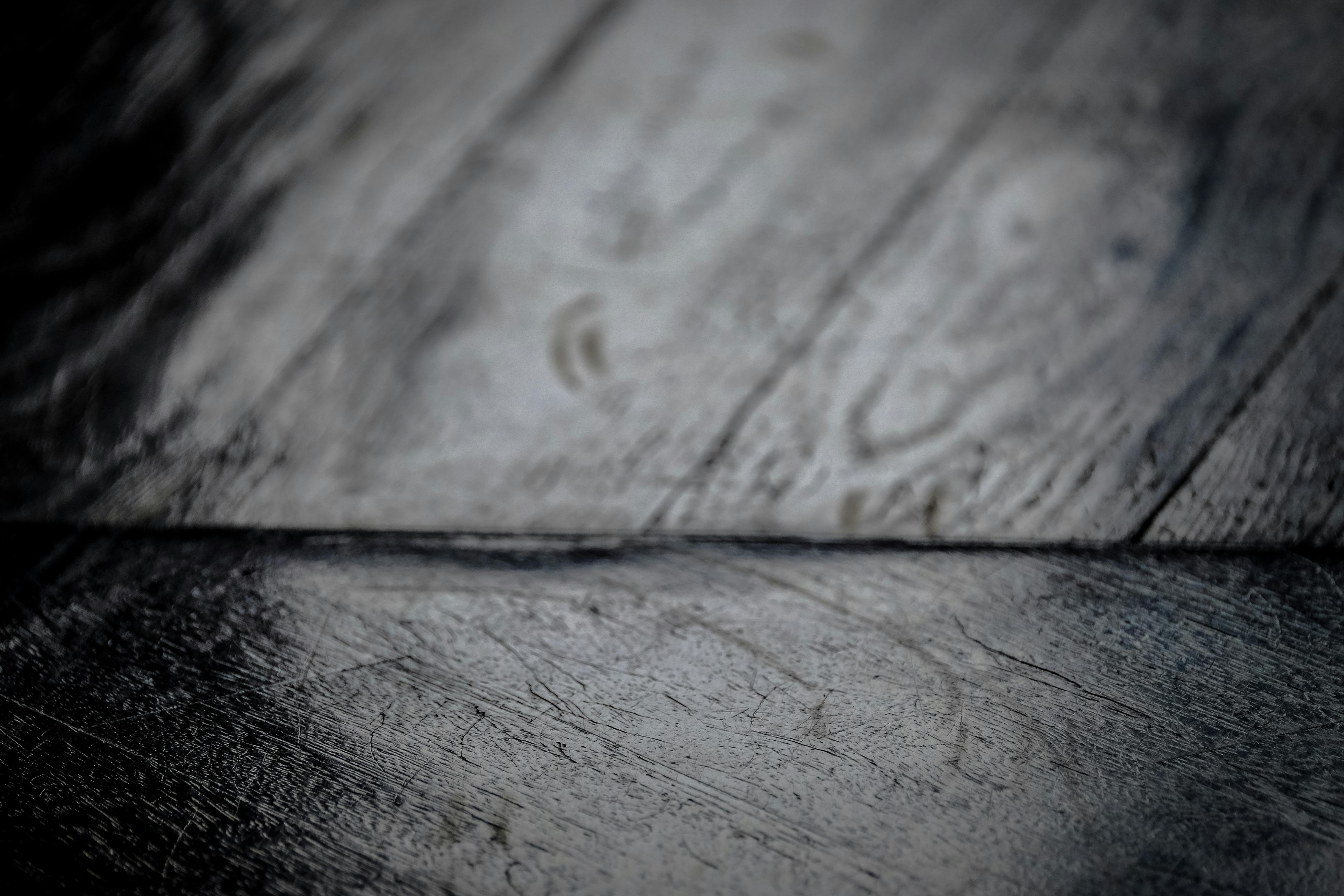
Period timber floors face several recurring challenges that require careful attention. Rot and decay from moisture ingress can soften timber and compromise structural strength. Warping and cupping occur when fluctuating humidity and temperature distort board geometry. Insect infestation from woodworm and other pests can undermine timber if not treated correctly.
Early detection through routine inspection makes restoration simpler and less invasive. Regular maintenance reduces long‑term repair costs and protects historical value.
How to Navigate Listed Building Consent for Timber Floor Repair?
Work on listed buildings may require Listed Building Consent (LBC). The key is to recognise which interventions affect a building's character and to engage with the local authority and conservation officers from the outset.
When is Listed Building Consent Required for Floor Restoration?
LBC is usually needed for any work likely to affect the historical or architectural interest of a building. Typical examples include structural alterations involving changes to the floor structure, joists or supports; material changes where original boards are replaced with modern substitutes that alter appearance or performance; and visible modifications that are apparent in the finished interior or exterior and alter the building's character.
Undertaking work without the necessary consent can lead to enforcement action and the need to reverse changes. Always consult the relevant authority before starting.
How to Work Effectively with Conservation Officers on Heritage Projects?
Conservation officers are partners in good conservation. Treat the relationship as collaborative: they bring local knowledge and the statutory perspective required for a successful project.
Early engagement means inviting input at the planning stage to identify issues and agree approaches up front. Provide clear documentation including drawings, material samples and method statements to support applications. Maintain open communication throughout the works so concerns are addressed quickly.
A constructive working relationship helps projects move smoothly and ensures repairs are both lawful and appropriate.
What Are Sympathetic Repair Techniques for Historic Timber Floors?
Sympathetic repairs favour traditional materials and methods that keep as much original fabric as possible. The aim is to stabilise and integrate repairs so they read as part of the historic floor, not as modern interventions.
How to Source and Match Reclaimed Timber for Period Properties?
Sourcing reclaimed timber for repairs requires attention to provenance and condition. When selecting reclaimed boards, historical accuracy is paramount — match species, board width and surface character to the original floor. Check quality and condition for defects, previous treatments and structural soundness. Use reputable local suppliers who understand period materials and can certify provenance.
Thoughtful matching preserves visual continuity and reduces the need for replacement materials.
Which Traditional Joinery and Splicing Methods Preserve Floor Integrity?
Traditional joinery and splicing techniques are central to unobtrusive repair. Methods such as tongue‑and‑groove replacement, scarf joints and carefully cut plugs allow for repairs that are strong and reversible.
Proper joinery ensures structural stability so repaired sections perform as intended. Traditional details maintain aesthetic cohesion, keeping the floor's original look and feel. Where possible, choosing methods that allow reversibility means future conservators can undo changes without loss.
Applying these techniques preserves both the appearance and long‑term performance of heritage floors.
Which Traditional Finishes Best Preserve Heritage Timber Floors?
Traditional finishes — breathable oils and waxes — are often the best choice for historic floors. They protect while allowing the wood to behave naturally with seasonal moisture changes.
Why Are Breathable Oils and Waxes Essential for Historic Wood Floors?
Breathable oils and waxes provide protection without sealing the timber completely, so moisture can escape and the wood can acclimatise. They help with moisture management, allowing the timber to regulate internal moisture without trapping damp. These finishes enhance grain and patina for a natural appearance rather than creating a plastic look. Ease of maintenance means small areas can be refreshed in situ without full sanding.
Used correctly, these finishes protect the floor while retaining its historic character.
How to Maintain the Patina and Historical Character of Old Floors?
Preserving surface patina is about gentle care and minimal intervention. Regular light cleaning and conservative maintenance keep the floor looking authentic.
Avoid harsh chemicals and use pH‑neutral, wood‑specific cleaners to protect the finish. Conduct regular inspections, watching for wear, moisture stains or pest activity and act early. When needed, use gentle restoration with light sanding and reapply breathable finish rather than aggressive stripping.
These practices help retain the floor's history while keeping it serviceable.
What Are Expert Sanding and Refinishing Practices for Listed Buildings?
Sanding and refinishing require sensitivity in listed buildings. The aim is to improve durability and appearance while keeping the original character intact.
How Do Dust-Free Sanding Techniques Protect Heritage Properties?
Dust‑free sanding uses extraction equipment to remove abrasive particles at source. This protects delicate finishes, decorative plasterwork and indoor air quality during works.
The technique creates a cleaner environment, keeping dust out of vents, coving and fixtures. It enables preservation of details by preventing fine dust settling on ornate surfaces. Improved finish quality results from a smoother, more even topcoat free from contamination.
For heritage interiors, dust‑control is a practical necessity, not an optional extra.
How to Address Previous Poor Restoration Attempts Gently?
Correcting earlier, heavy‑handed repairs requires a cautious strategy that avoids further loss of original material.
Begin with thorough assessment to survey the floor and establish what can be conserved and what must be rectified. Prefer gentle techniques using non‑aggressive removal and repair methods to protect remaining historic fabric. Work in consultation with conservation specialists to choose the most appropriate remedial actions.
With careful planning, previous mistakes can be corrected while respecting the building's original craftsmanship.
How to Ensure Long-Term Care and Structural Integrity of Heritage Floors?
Long‑term preservation combines routine maintenance with targeted structural interventions to keep floors safe and serviceable.
What Are Best Practices for Reinforcing Joists and Managing Moisture?
Joist reinforcement and moisture control are fundamental to a stable timber floor. Regular inspections should look for sagging, rot or signs of movement in joists and supports. Moisture control involves maintaining stable indoor humidity, improving ventilation and addressing leaks promptly. Reinforcement techniques using traditional solutions such as blocking or sistering joists should be carried out in a sympathetic manner where needed.
Prioritising these measures protects both the floor surface and the substructure beneath it.
Which Modern Underlays Are Suitable for Heritage Timber Floors?
Choosing the right underlay balances comfort and protection with compatibility for historic timber. Natural fibre underlays made from wool or jute are breathable and environmentally sound. Cork underlays offer good sound insulation and moisture resistance while remaining breathable. Foam underlays provide cushioning but must be selected carefully to suit timber performance and ventilation needs.
The correct underlay improves comfort and acoustic performance without compromising the timber's behaviour.
Frequently Asked Questions
What are the benefits of restoring heritage timber flooring?
Restoring heritage timber protects architectural and historical value, enhances visual appeal and can increase a property's market worth. It also supports sustainability by reusing existing materials and conserving craftsmanship that can't easily be replaced. Thoughtful restoration ensures the building's story is preserved for future generations.
How can I identify the right professionals for timber floor restoration?
Choose specialists experienced with heritage projects and a clear track record of sympathetic repair. Look for conservation qualifications, a solid project portfolio, and references from heritage bodies or previous clients. A good contractor will explain methods, materials and how they will work with conservation officers.
What maintenance practices should I follow for restored timber floors?
Keep to a gentle cleaning routine: sweep or vacuum regularly, use pH‑neutral cleaners and avoid excess water. Inspect periodically for signs of wear or moisture and refresh breathable finishes as needed. Proactive care prevents small issues from becoming major repairs.
What role does humidity play in the preservation of timber floors?
Humidity affects timber stability — extremes cause cupping, shrinking or swelling. Aim to maintain indoor humidity around 40–60% where possible. Use dehumidifiers, improve ventilation and avoid sudden temperature or moisture changes to protect the floor's condition.
Conclusion
Conserving heritage timber floors preserves a building's character, value and history. By applying sympathetic repair techniques, managing moisture and choosing breathable finishes, you safeguard both appearance and structure. Work with experienced professionals, engage conservation officers early and favour minimal, reversible interventions — those choices will keep the craftsmanship of the past in place for the future.