Collaborating with Architects on Timber Flooring Specifications
Timber flooring is a defining element in architectural interiors, especially in commercial buildings where appearance, performance and longevity must work together. This guide sets out the key specification points architects should consider when specifying timber floors — from construction types and British Standards compliance to sustainable sourcing and current design directions. Working closely with a specialist flooring partner like Dyfed Richards helps translate design intent into practical, durable and environmentally responsible floor systems.
Key timber flooring types for commercial architectural projects
Choosing the right timber floor starts with understanding the main construction types and where each performs best. The primary choices are engineered wood, solid wood and parquet — each has distinct technical and aesthetic strengths suited to different commercial uses.
How engineered wood flooring performs in UK commercial spaces
Engineered wood is a practical choice for commercial environments because its multilayer construction offers dimensional stability and improved resistance to moisture and temperature changes. That stability makes it reliable in high-traffic areas, while factory-applied finishes and a wide palette of surfaces let architects achieve the required look without compromising durability. Installation can be faster and less disruptive than solid wood, which is often advantageous on tight programmes.
Durability characteristics of solid wood and parquet flooring
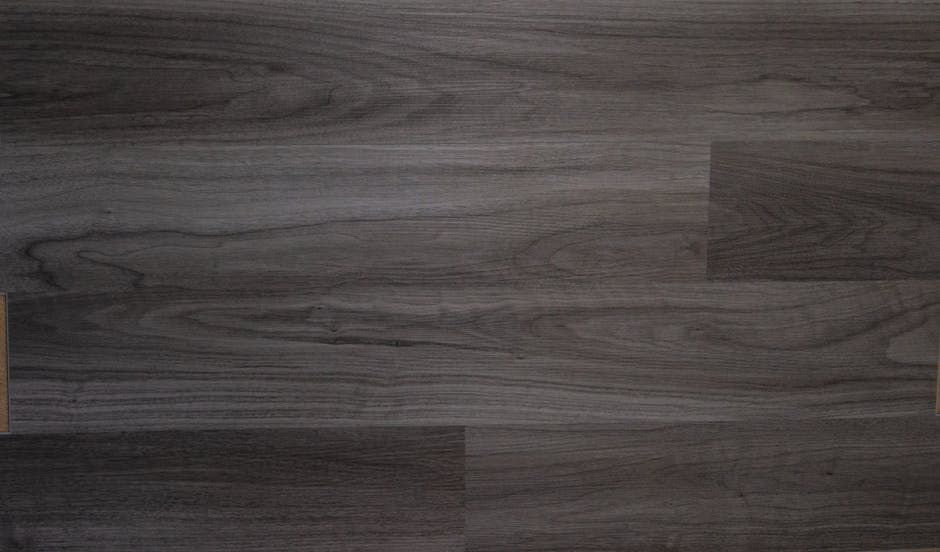
Solid wood and parquet remain favoured where longevity and character are priorities. Solid planks can be refurbished and last for decades if maintained correctly, making them a strong long-term investment. Parquet — composed of patterned blocks — combines decorative appeal with robust performance in busy spaces. Both require considered maintenance regimes and detailing to ensure they withstand commercial wear and continue to perform over time.
Developing clear, compliant timber flooring specifications with architects
Well-written specifications reduce risk on site. Architects should collaborate with flooring specialists early to confirm product selection, detailing, tolerances and testing requirements so installations meet both design intent and performance criteria.
Essential elements of BS 8201 and BS 6399 compliance
British Standards are central to protecting performance and safety. BS 8201 covers recommendations for wood floor selection and installation, while BS 6399 addresses loading and structural considerations. Referencing these standards in your specifications ensures installations comply with recognised practice and helps avoid issues during handover.
Why moisture control and subfloor preparation matter
Moisture and an inadequately prepared subfloor are the most common causes of flooring failure. Effective moisture management, appropriate damp-proof membranes, accurate moisture testing and a level, stable subfloor are non-negotiable. Collaborative site checks and agreed acceptance criteria before installation minimise the risk of movement, gaps or delamination later on.
Sustainable timber flooring solutions for architectural projects

Sustainability is now a core part of specification. Choosing certified and low-impact materials supports project carbon targets and occupant wellbeing while maintaining design quality.
FSC and PEFC — assurances for responsibly sourced timber
FSC and PEFC certification verifies that timber is harvested from responsibly managed forests. Specifying certified material gives clients assurance over chain of custody, ecological management and social standards — all important for procurement, BREEAM/LEED scoring and client reporting.
Benefits of low VOC finishes and reclaimed timber
Low VOC finishes improve indoor air quality and reduce emissions during manufacture and use. Reclaimed timber reduces demand for new timber, diverts material from landfill and brings a distinctive patina to interiors. Both approaches help lift a project's sustainability credentials without compromising on finish or durability.
Architectural timber floor design trends for 2025
Current trends balance simplicity with material authenticity. Practical choices that read well at scale and age gracefully remain popular with architects and clients alike.
Why wide plank and oversized boards are specified for commercial spaces
Wide plank and oversized boards create a clean, expansive floor plane that reads well in large interiors. Fewer joints mean a calmer aesthetic and, in many situations, a faster install. Carefully selected board widths and laying patterns can also help spaces appear larger and more cohesive.
How natural finishes and warm tones enhance timber aesthetics
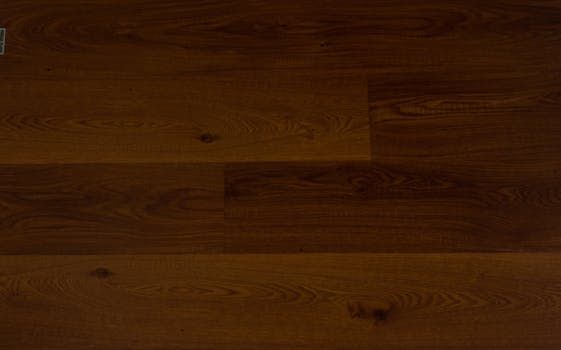
Natural, low-sheen finishes and warmer tones are in demand because they create inviting, timeless interiors and highlight the timber's grain and texture. These finishes work across sectors — retail, hospitality and workplaces — and pair well with both contemporary and traditional schemes.
How architects can leverage Dyfed Richards' timber flooring expertise
Dyfed Richards supports architects from concept to completion, offering technical guidance and practical solutions that align with design intent and site realities.
Bespoke timber flooring services available to architectural teams
With more than 20 years' experience, we provide tailored consultation, specification support, sampling, bespoke finishes and specialist installation. We focus on buildability, long-term performance and sustainability to ensure each floor meets the project brief and client expectations.
Frequently asked questions
What factors should architects consider when choosing timber flooring for commercial projects?
Consider durability, finish and maintenance requirements, expected footfall, acoustic and structural constraints, and compliance with building regulations. Also factor in environmental credentials — certified timber and low VOC finishes are increasingly required by clients and sustainability standards.
How can architects ensure the longevity of timber flooring in commercial spaces?
Ensure correct product selection for the use-case, specify robust detailing and tolerances, control moisture and prepare the subfloor to agreed standards, and include a maintenance regime in handover documentation. Regular cleaning and periodic refinishing where appropriate will preserve appearance and performance.
What role do local climate conditions play in timber flooring selection?
Climate affects dimensional movement — humid or coastal environments require greater stability. Engineered constructions are generally more tolerant of humidity and temperature changes, while solid timber needs careful acclimatisation and detailing to perform reliably.
Conclusion
Specifying timber flooring well requires technical knowledge, sensible detailing and an eye for long-term performance. Partnering with specialists such as Dyfed Richards helps ensure compliance with standards, delivers the intended aesthetic and supports sustainability aims. If you're specifying timber for an upcoming project, our bespoke services can help bring your vision to practical, lasting reality.