European Oak Flooring: Properties, Grades and Applications
European oak is prized for its strength, timeless look and versatility, which is why it's a favoured choice across homes and commercial projects. This guide walks you through the wood's key properties, the grading system, the pros and cons of engineered versus solid boards, finish options and the best applications — plus what sustainable sourcing means for your project.
Key properties that make European oak a reliable flooring choice
European oak has a combination of traits that explain its wide use: durability, hardness, moisture performance and dimensional stability. Together these determine how the floor looks and performs over time, and why oak is chosen for both quiet family rooms and busier commercial spaces.
How durability and hardness shape real-world performance
Durability describes the wood's resistance to wear, decay and everyday damage; hardness measures how well it resists dents and scratches. As a true hardwood, European oak scores well on both counts. That means it stands up to regular foot traffic — from lively family living areas to commercial corridors — while retaining its appearance with sensible care.
Why moisture resistance and dimensional stability matter for longevity
Moisture resistance and dimensional stability determine how the boards behave as humidity and temperature change. European oak has moderate natural resistance to moisture but is not immune to movement. Correct installation and an appropriate finish reduce risks like cupping or warping. In practice, oak performs best in rooms with controlled humidity.
How European oak grades are defined and how to choose between them
Oak grading is about appearance and character: knots, colour variation and grain define the grade and help match the floor to your design intent.
What sets Prime, Natural, Rustic and Character grades apart?
Prime Grade: Clean, consistent boards with minimal knots and even colour — ideal where a contemporary, pared-back look is required.
Natural Grade: Subtle variation and occasional knots give this grade a balanced, lived-in elegance without feeling overtly rustic.
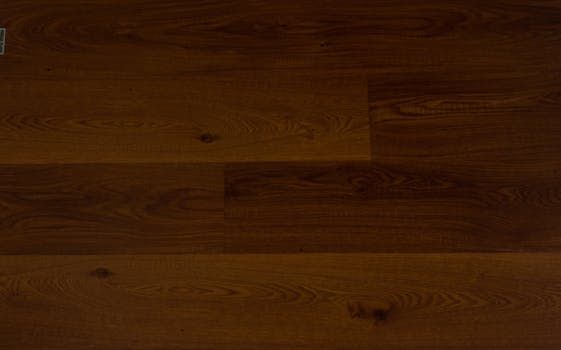
Rustic Grade: Pronounced knots, fissures and tone variation create a warm, country-house aesthetic — great for cosy, traditional interiors.
Character Grade: Strong grain, mineral streaks and distinctive knots; chosen where a bold, individual look is desired.
How visual features like knots and grain affect your choice
Knots, cracks and grain direction are stylistic tools as much as features. If you want a sleek, modern floor, Prime is the safe bet. If you're after texture and personality, Rustic or Character grades will deliver distinctive character and a more relaxed feel.
Engineered versus solid European oak — which suits your project?
Choosing between engineered and solid oak comes down to the installation environment and how you plan to use the floor. Both have strengths; knowing them helps you pick the right board for longevity and performance.
Why engineered oak is often specified for underfloor heating
Engineered oak is constructed from layers that resist movement from temperature changes, making it stable over underfloor heating. Its stability lets it sit directly above heating systems with lower risk of warping and helps maintain efficient heat transfer.
Longevity and installation notes for solid oak
Solid oak is long-lived and can be sanded and refinished multiple times, which makes it a good long-term investment. Proper acclimatisation before fitting is essential to avoid shrinkage or gaps. Solid boards are best in stable, dry environments rather than wet or highly variable conditions.
Finishes compared: oil, lacquer and UV-oiled
The finish you choose affects both appearance and care. Each option brings different levels of protection, sheen and reparability.
Oil finishes: natural feel and straightforward maintenance
Oils penetrate the wood, keeping its tactile, matte surface and enhancing grain depth. They're easy to touch up — small scratches can usually be repaired locally without a full refinish — and they give a warm, understated finish.
How lacquer and UV-oiled finishes protect the surface
Lacquer creates a hard, durable film that resists scratches and staining, often with a glossy or satin look suited to high-traffic areas. UV-oiled finishes bridge the two approaches: they offer enhanced surface durability while retaining much of the wood's natural appearance.
Where European oak flooring performs best
Oak is adaptable. Whether you're fitting a high-end home or a busy commercial interior, the right grade and construction will determine success.
Why oak is a favourite for luxury residential interiors
European oak brings warmth, depth and enduring style — qualities that make it popular in premium homes. Designers value the range of grades and finishes because they can tailor the floor to suit minimalist contemporary schemes or richly textured traditional rooms.
How oak handles high-traffic commercial use
In offices, retail or hospitality settings, oak's durability and aesthetic appeal make it a practical choice. Selecting harder grades, suitable finishes and the correct installation method ensures the floor stands up to daily wear while creating an inviting atmosphere.
Sustainable sourcing and why it matters for oak flooring
Where the timber comes from affects ecosystems, supply chains and your project's environmental credentials.
Certifications that confirm responsible European oak supply
Look for recognised schemes such as FSC and PEFC. These labels indicate the timber was harvested from well-managed forests and that social and environmental standards were met, giving confidence that your material choices are responsible and traceable.
How sustainable sourcing supports project and environmental goals
Choosing certified oak reduces the risk of contributing to deforestation and supports biodiversity and local communities. For many projects, sustainability adds market value and aligns with client expectations for lower embodied carbon and ethical procurement.
Conclusion
European oak flooring delivers enduring style and strong performance when you choose the right grade, construction and finish for the space. With careful specification and responsible sourcing, oak can enhance both the look and the long-term value of a project. If you'd like help selecting the best grade or finish for your scheme, explore our range or get in touch — we're here to advise.