Wide Plank vs Narrow Strip Flooring: Choosing the Right Format
The width of your timber boards has a surprisingly big influence on how a room looks and performs. This guide walks you through the key differences between wide plank and narrow strip flooring so you can pick the best option for your home or commercial project. We cover what each style is, the practical pros and cons, how room size should affect your choice, and the trends shaping the UK market today — helping you balance style, durability and cost with confidence.
What defines wide plank and narrow strip flooring in timber board widths?
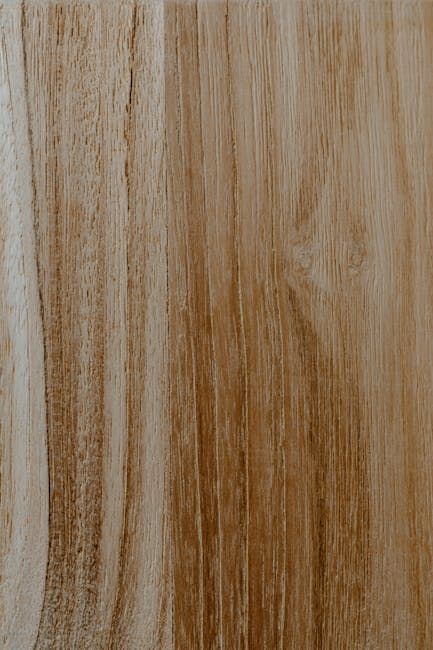
Wide plank and narrow strip are two common timber formats, each with a distinct visual and practical character. Wide planks are noticeably broader than traditional strips — typically over 5 inches — and give a room a more open, contemporary feel. Narrow strips are usually under 3 inches wide and create a more detailed, traditional appearance that suits smaller or period rooms.
What are the standard dimensions for wide plank and narrow strip flooring?
Wide plank boards commonly run from about 5 to 12 inches across, with lengths varying between roughly 2 and 8 feet — ideal for dramatic, flowing floors. Narrow strips are generally 1.5 to 3 inches wide and come in comparable lengths. These size ranges help determine the overall pattern and rhythm of a floor, so choose with the room's proportions and the look you want in mind.
How do engineered and solid wood materials affect plank width choices?
Your material choice strongly affects how wide you can go. Engineered wood, built from layered veneers, is more dimensionally stable and better suited to wider boards and areas with variable moisture. Solid wood has timeless appeal but is more prone to seasonal movement, which can limit practical plank width unless you control the environment carefully.
What are the pros and cons of wide plank flooring in the UK market?
Aesthetic appeal: Wide planks deliver a clean, contemporary look and make larger spaces feel more cohesive. Installation challenges: Wider boards demand skilled installation to avoid issues such as gaps or unevenness. Cost considerations: Expect higher material and fitting costs compared with narrower boards, due to timber quantities and specialist labour.
How does wide plank flooring enhance modern and large interior spaces?
Wide planks reduce visible joins and create a sense of continuity, which visually enlarges open-plan and generous rooms. They work particularly well with minimalist interiors where the grain and colour of the wood are the main design features, allowing the floor to act as a calm, unifying backdrop.
What are the practical considerations: stability, installation, and cost?
Beyond looks, consider how the boards will perform. Wider planks need careful acclimatisation and expert laying to avoid movement-related problems. They usually carry a premium both for the timber and the workmanship, so weigh the aesthetic gains against installation complexity and long-term maintenance.
What benefits does narrow strip flooring offer for traditional and smaller rooms?
Suitability for smaller spaces: Narrow strips can make compact rooms feel more proportionate and elongated. Traditional aesthetic appeal: The finer rhythm of narrow boards complements period and rustic interiors, adding character and detail. Cost-effectiveness: Typically more economical to buy and install, making narrow strips a practical choice for many projects.
How does narrow strip flooring contribute to stability and detailed design?
Smaller boards naturally resist movement better, which helps in environments with fluctuating humidity. The narrow format also lends itself to more intricate layouts — herringbone, chevron or classic linear runs — so you can introduce texture and pattern without overpowering the room.
What are the installation and maintenance advantages of narrow strips?
Narrow boards are easier to handle and generally quicker to fit, which can reduce labour costs. They're also straightforward to sand and refinish when they show wear, making them a low-fuss, durable option for busy homes and commercial settings.
How does room size influence the best wood floor width selection?
Room dimensions are one of the most useful guides when choosing board width. The wrong scale can make a room feel out of proportion, so match plank size to the room's footprint and the look you want to achieve.
Which flooring widths are ideal for small rooms to maximise space perception?
For smaller rooms, narrow strips (around 1.5 to 3 inches) are typically recommended. Their finer joints and repeating rhythm can lengthen the visual line of a room, adding detail without overwhelming limited space.
How do wide planks benefit large and open-plan spaces visually and functionally?
In larger or open-plan areas, wide planks create a seamless floor plane that enhances flow and feels less busy underfoot. Fewer joins make the space read as one continuous surface, which suits contemporary layouts and clean, pared-back interiors.
What are the cost, installation, and long-term value considerations for different flooring widths?
Cost, fitting complexity and lifespan are practical factors that should guide your selection. Both formats have trade-offs between upfront expense and long-term performance.
How do wide plank and narrow strip flooring compare in price and installation complexity?
Wide planks generally sit at a higher price point because of timber volumes and the need for precise installation. Narrow strips are usually cheaper to buy and quicker to lay, which can make them the more budget-friendly option for many projects.
| Flooring Type | Average cost per square metre | Installation Complexity | Long-Term Value |
|---|---|---|---|
| Wide Plank | £50 - £90 | High | High |
| Narrow Strip | £25 - £60 | Low | Moderate |
Use this comparison to weigh initial outlay against expected longevity and the visual return you want from the floor.

What is the return on investment for commercial and high-traffic projects?
For commercial spaces, choose according to your brand and usage. Wide planks can elevate an environment and attract customers with a premium look; narrow strips often win where durability and lower replacement costs are priorities. Match the finish and timber species to traffic levels to optimise ROI.
What are the current UK flooring trends and sustainability factors for wide and narrow planks in 2025?
As we move through 2025, the market balances design with responsibility. Both wide and narrow formats are evolving to meet demands for style, performance and sustainability.
Why are wide plank designs dominating UK homes and what are their environmental benefits?
Wide planks are popular because they give homes a contemporary, airy feel. At the same time, many manufacturers are improving supply-chain transparency and using responsibly sourced timber, helping homeowners choose a look that's also better for the planet.
How do bespoke solutions and sustainable sourcing influence flooring choices?
Custom widths, finishes and reclaimed or FSC-certified timbers are increasingly sought after. Bespoke options let you tailor the floor to your project, while sustainable sourcing reduces environmental impact — a combination that's shaping smarter, longer-lasting choices in UK interiors.
Conclusion
Board width is one of the simplest ways to influence a room's character. With the right information you can choose a floor that looks great, performs well and fits your budget. Whether you favour the sweeping simplicity of wide planks or the considered detail of narrow strips, pick the solution that matches your space and lifestyle — and if you need help, we're here to guide the choice.