Fire Safety Considerations for Commercial Timber Flooring
Fire safety is a non-negotiable in commercial buildings, and flooring is a key part of that picture. Timber delivers warmth, sustainability and character, but it brings distinct fire performance considerations that designers and clients must address. This guide runs through the practical points: the UK rules you'll need to follow, the fire-rated products and coatings available, design and detailing approaches that reduce risk, maintenance responsibilities, and real projects that demonstrate good practice. Read on to help you specify timber floors that meet safety standards without compromising on finish.
What are the UK timber flooring fire regulations for commercial buildings?
In the UK, the Building Regulations — most notably Approved Document B — set out the fire safety expectations for commercial premises. Those regulations cover material selection, installation and the overall fire strategy for a building. Following them is essential both for legal compliance and for protecting people and property.
How does Approved Document B define fire safety requirements for timber floors?
Approved Document B requires that construction materials, including timber flooring, meet appropriate reaction-to-fire classifications and are installed so they don't contribute unduly to fire spread. It also expects that floors support means of escape and that any specified fire performance ratings are achieved in practice. Non-compliance can lead to enforcement action and, more importantly, increased risk to occupants.
What are Euroclass and Bfl-s1 ratings for timber flooring?
Euroclass is the European system for classifying how materials behave in a fire. For timber flooring, Bfl-s1 is a common target in commercial settings: Bfl indicates relatively low flame spread and s1 denotes very limited smoke production. Understanding these ratings helps you choose products that satisfy regulations and keep escape routes clearer in a fire scenario.
Which fire-rated timber flooring products and treatments are available?
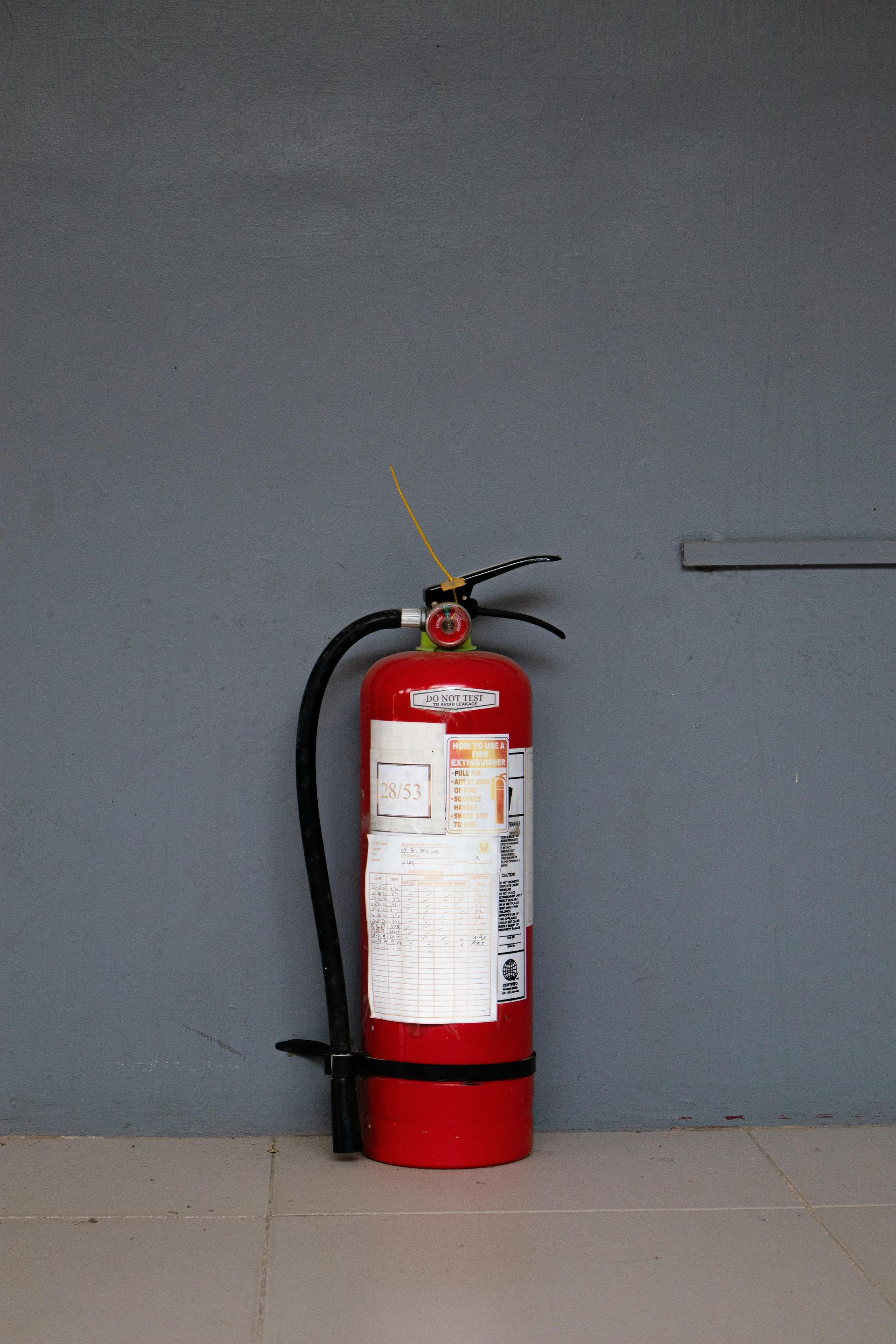
There are several ways to improve the fire performance of timber floors. Treatments such as specialist flame-retardant lacquers and intumescent coatings are widely used, and there are engineered timber options designed specifically for enhanced fire resistance. Choice depends on the project's performance targets, appearance requirements and lifecycle considerations.
How do flame retardant lacquers and intumescent coatings enhance fire resistance?
Flame-retardant lacquers form a treated surface that reduces a timber's tendency to ignite and slows combustion. Intumescent coatings react to heat by swelling into an insulating char layer, protecting the substrate beneath. Both approaches can be effective when specified and applied to appropriate standards — often as part of a system assessed for a particular Euroclass or Bfl-s1 classification.
What fire ratings and certifications should commercial timber flooring have?
Look for products with test evidence and certification that match your required performance — for example Bfl-s1 and the relevant Euroclass report. Manufacturers should be able to provide test reports, installation guidance and any limitations. Verifying these documents is a vital step in specifying compliant, robust flooring solutions.
How can architects and contractors design commercial timber floors for fire safety?
Designing timber floors with fire performance in mind means combining product selection with considered detailing and an overall fire strategy. Both passive measures — structural choices and compartmentation — and active systems must be integrated so the floor contributes to a safe, compliant building.
What passive fire protection measures support timber flooring safety?
Passive measures include specifying fire-resistant substructures, careful sealing of junctions to limit smoke and flame paths, and ensuring appropriate compartmentation and fire doors. Detailing that prevents gaps at interfaces and maintains integrity under fire conditions is just as important as the finish applied to the timber itself.
How to integrate fire stopping and structural stability in timber floor design?
Fire stopping — sealing service penetrations, movement joints and perimeters — is crucial to prevent fire and smoke spread through floor assemblies. Equally, ensure the timber floor's structural design can tolerate the effects of heat for the required period. Architects and contractors should coordinate early to align structural, acoustic and fire-stopping requirements with the chosen timber system.
What are the best practices for maintaining fire safety in commercial timber flooring?
Keeping timber floors safe over time needs planned inspection and maintenance. That means routine checks of finishes and details, prompt repair of damage, and ensuring any subsequent work maintains the original fire performance — for example by reapplying the correct fire-rated coating.
How often should fire risk assessments and inspections be conducted?
Fire risk assessments are typically reviewed at least annually, or more often if the building's use changes. Regular visual inspections of flooring finishes and junctions should be scheduled and recorded so potential issues — wear, damage or inappropriate alterations — are caught and remedied promptly.
Who is responsible for ensuring fire safety compliance post-installation?
Primary responsibility usually rests with the building owner and the duty holder under the Regulatory Reform (Fire Safety) Order 2005. Contractors must hand over appropriate certification and installation records, and owners should maintain those records and ensure ongoing inspections and maintenance are carried out.
What are real-world examples of fire-safe commercial timber flooring projects?
Case studies are useful for understanding how fire performance has been achieved in practice — the choices made, the trade-offs and the detailing that delivered a compliant outcome without sacrificing design intent.
How did Dyfed Richards implement fire-rated flooring in notable commercial buildings?
At Dyfed Richards we've worked on projects where fire performance, finish quality and durability were all required. By specifying tested fire-rated coatings, coordinating with structural and M&E teams, and following manufacturer guidance, we've delivered timber floors that meet regulatory expectations while preserving the material's natural character.
What challenges and solutions are common in fire-safe timber flooring installations?
Typical challenges include matching aesthetic expectations with the required fire rating, ensuring consistent application of coatings on site, and coordinating service penetrations. Solutions include early product selection, thorough site supervision, and clear handover documentation so the completed installation retains its tested performance.
Frequently Asked Questions
What are the key benefits of using fire-rated timber flooring in commercial spaces?
Fire-rated timber floors combine the warmth and sustainability of timber with tested fire performance. They help slow fire spread and reduce smoke output, support compliance with regulations, and retain the aesthetic and acoustic qualities that make timber an attractive choice for offices, retail and hospitality settings.
How can building owners ensure ongoing compliance with fire safety regulations?
Owners should keep a documented maintenance and inspection regime, retain manufacturer certificates and test reports, and commission periodic reviews by fire-safety professionals when building use changes. Training staff on basic fire procedures and recording all interventions to the floor are simple, effective steps.
What role do fire doors play in enhancing fire safety with timber flooring?
Fire doors are a critical element of compartmentation — they limit the spread of fire and smoke between zones. When timber floors are part of the strategy, correct door thresholds, seals and interfaces must be detailed so the door system and floor assembly work together as intended.
Conclusion
Managing fire risk in commercial timber flooring is about informed specification, careful detailing and ongoing maintenance. With the right fire-rated products, tested systems and coordinated design, timber can be both beautiful and safe. If you'd like help specifying or installing fire-rated timber flooring, speak to our team to explore solutions that meet your performance and design goals.