Hardwax Oil vs Lacquer Finishes for Commercial Flooring
Picking the right finish for commercial timber makes a real difference to how a floor wears and looks. Below we compare hardwax oil and lacquer: what they are, how they're made, how each performs in busy environments, and the aesthetic and environmental trade-offs to consider. We also explain how to choose the right option for your project and outline the finishing services we offer at Dyfed Richards, specialists in timber flooring across the UK.
What are hardwax oil and lacquer finishes? Definitions and composition
Hardwax oil and lacquer are two common approaches to coating wood floors. Both protect and enhance timber, but they do so in very different ways.
What is hardwax oil and how is it made?
Hardwax oil is a blend of natural oils and waxes designed to sink into the timber and form a resilient, breathable surface layer. Typical formulations use oils such as linseed or sunflower combined with hard waxes to protect the wood while keeping the texture and grain visible. Hardwax oil gives a water-resistant finish that's easy to maintain and simple to repair locally, so you rarely need to sand the whole floor to mend small areas of damage.
What constitutes lacquer finishes?
Lacquer is a synthetic coating that cures to a hard, protective film on the wood's surface. It's made from resins, solvents and performance additives and comes in solvent-based and water-based formulations. Lacquer is valued in commercial settings for its quick drying times and durability, and it's available in sheens from satin to high gloss — useful when you want a polished, modern look or enhanced scratch resistance.
How do hardwax oil and lacquer compare in durability and maintenance for commercial flooring?
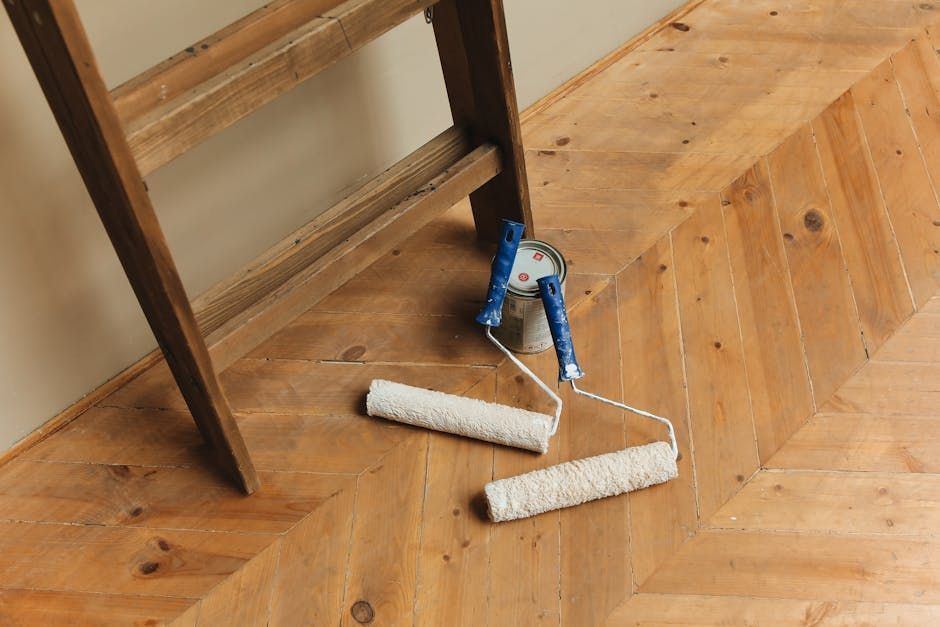
Durability and upkeep differ between these finishes, and the right choice depends on your building's use, maintenance regime and downtime tolerance.
Which finish offers better durability in high-traffic commercial areas?
For heavy pedestrian traffic, lacquer typically gives greater surface hardness and scratch resistance than hardwax oil, making it a common choice in retail and high-use public spaces. That said, a well-maintained hardwax oil floor can hold up well where regular spot maintenance is possible — and it retains more of the timber's natural feel and appearance.
How do maintenance and repairability differ between hardwax oil and lacquer?
Maintenance is a key practical distinction. Hardwax oil usually requires re-application to maintain protection — commonly every 1 to 3 years depending on use — and damaged areas can often be repaired locally without sanding the entire floor. Lacquer tends to last longer between full refinishes, but once the film is compromised it usually needs sanding and a complete refinish to look right again. Factoring in maintenance schedules and access for works is essential when specifying a finish.
What are the aesthetic and environmental considerations for commercial wood floor finishes?
How a floor looks and how it affects indoor air quality are both important in commercial projects — and these finishes affect both.
How do hardwax oil and lacquer affect wood grain and sheen options?
Hardwax oil highlights the timber's grain and keeps a warm, natural, low-sheen finish — typically matte to satin — that preserves texture underfoot. Lacquer can alter the appearance more markedly, offering finishes from subtle satin to high gloss, which can make timber look sleeker and more reflective. Your aesthetic brief should guide the choice: natural and tactile, or polished and contemporary.
What are the environmental impacts and VOC levels of each finish?
Environmental impact varies by formulation. Hardwax oils are often based on natural ingredients and can have lower VOC levels, making them a more ecological choice in many cases. Traditional solvent-based lacquers can emit higher VOCs, though modern water-based lacquers dramatically reduce emissions while retaining much of lacquer's durability. Always check product data sheets for VOC figures and choose products that meet your indoor air-quality and sustainability requirements.
How to choose the right finish for your commercial flooring project?
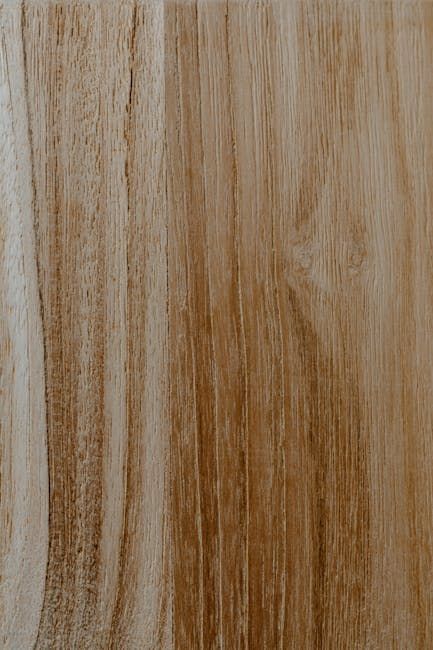
Choose a finish by balancing usage patterns, visual aims, budget and maintenance capability.
What factors should influence finish selection: traffic, budget, and aesthetic goals?
Consider expected footfall, cleaning regimes, desired look and long-term costs. High-traffic zones often benefit from lacquer for its surface durability and easier daily cleaning. Spaces that prioritise a natural appearance and straightforward local repairs may suit hardwax oil better. Budget should include not just initial application but the projected maintenance and any downtime costs over the life of the floor.
How do UK commercial standards and regulations affect finish choice?
UK regulations around fire safety, slip resistance and environmental performance can affect which finishes are acceptable. Some projects will specify coatings that meet particular fire ratings or have certified low VOC emissions. We advise checking relevant standards early in the design phase so the selected finish complies with both safety and procurement requirements.
What services does Dyfed Richards offer for hardwax oil and lacquer finishes?
We provide a full suite of services to help you specify, prepare and apply the right finish for your project, including bespoke colour matching and professional preparation works.
How does Dyfed Richards provide bespoke colour matching and finishing?
Our team specialises in bespoke colour matching and finishing, tailoring stains and topcoats to achieve the exact tone and sheen you want. We apply both hardwax oil and lacquer systems to industry standards so the finished floor meets your aesthetic brief and functional needs.
What are the professional sanding and screening services available?
Proper surface preparation is vital. We offer professional sanding, screening and dust management to create the correct substrate for any finish. Good preparation improves adhesion, evens the surface and ensures a consistent final appearance — especially important for lacquer applications.
What are real-world case studies demonstrating hardwax oil and lacquer performance?
Case studies show how each finish performs in practice and help inform realistic expectations for wear and upkeep.
How have hardwax oil finishes performed in high-traffic commercial settings?
Well-maintained hardwax oil floors have succeeded in busy hospitality settings where regular spot maintenance is feasible. For example, a café that re-applied hardwax oil on a planned schedule reported minimal visible wear while keeping the timber's character intact and repairs straightforward.
What are examples of lacquer finishes with long-term durability in commercial projects?
Lacquered floors have proven durable in retail and public spaces where heavy use and frequent cleaning are factors. A high-gloss lacquer in a retail store, for instance, maintained a polished, scratch-resistant surface after years of heavy footfall, demonstrating lacquer's suitability where a tough, low-maintenance surface is required.
Frequently Asked Questions
What are the key differences in application methods between hardwax oil and lacquer finishes?
Application differs significantly. Hardwax oil is usually applied by cloth, roller or brush so it can penetrate the timber and be worked into an even coat; it requires attention to achieve consistent coverage. Lacquer is most commonly sprayed, producing a uniform film quickly but requiring specialist equipment and skilled applicators to avoid runs and overspray. Your contractor's expertise and available access will influence the practical choice.
Can hardwax oil and lacquer finishes be used together on the same floor?
Mixing finishes is generally inadvisable. The two systems have different chemistries and adhesion properties, so applying one over the other can cause bonding failures. If you need to change system, it's best to strip the existing finish and prepare the substrate correctly before applying the new product. Speak with a flooring professional to plan the safest approach.
What are the long-term cost implications of choosing hardwax oil versus lacquer finishes?
Long-term costs include maintenance, repairs and potential downtime. Hardwax oil may need more frequent re-applications (commonly every 1–3 years) but allows easy local repairs. Lacquer often needs less frequent full refinishing but can require a full sandback if the film is damaged, which is more disruptive and costly. Assess your maintenance capacity and total lifecycle costs when deciding.
Conclusion
Both hardwax oil and lacquer have clear strengths: hardwax oil for a warm, natural look and straightforward local repairs; lacquer for hardwearing, low-maintenance surfaces in high-traffic areas. The right choice comes down to appearance, usage, maintenance capacity and regulatory needs. If you'd like help specifying the right system for your project, Dyfed Richards can advise on products, preparation and application to deliver the best outcome for your commercial space.