Smoked and Fumed Oak: Creating Depth Without Stains
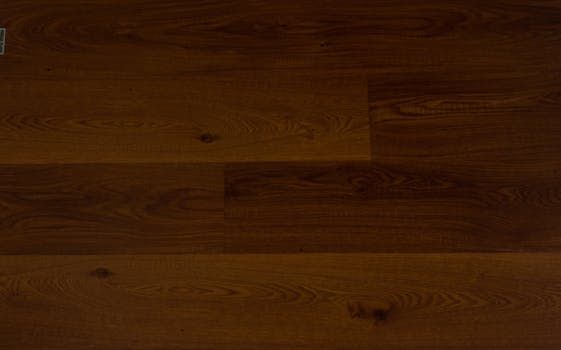
Smoked and fumed oak has become a go-to for interiors that need presence without appearing manufactured. Unlike surface stains, these processes deepen oak's natural tones and reveal the grain, creating a refined, durable floor that suits both contemporary and classic schemes. Below we explain how the natural darkening works, why many specifiers prefer fumed oak over stained alternatives, and how to care for it. We'll also outline how Dyfed Richards approaches bespoke treatments and colour-matching to achieve consistent, long-lasting results.
What are smoked and fumed oak? How natural wood darkening works
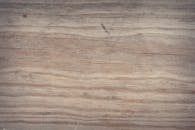
'Smoked' and 'fumed' describe methods that alter oak's colour from within rather than coating it. Fuming exposes oak to ammonia vapour so the timber's tannins darken, producing deep, even tones that are difficult to match with paint or stain. Smoked oak typically means the timber has been exposed to controlled heat and smoke—often in a kiln—to develop a darker patina. Both techniques celebrate the timber's texture and grain, delivering an authentic, long-wearing finish.
How ammonia fuming deepens oak's colour
Ammonia fuming triggers a chemical reaction with oak's natural tannins. The vapour oxidises those tannins, darkening the timber and emphasising grain patterns without adding pigments. The result is a deeper, more integrated colour that retains the wood's tactile character—exactly why many designers choose it when they want a natural yet dramatic floor.
What separates smoked oak from stained oak?
Staining adds colour on the surface; smoking or fuming changes the wood itself. That internal colour is more consistent across planks and is less likely to show wear in high-traffic areas. Smoked and fumed oak therefore tends to age more gracefully than stained floors, keeping a uniform appearance that requires less corrective maintenance over time.
How the ammonia fuming process works — step-by-step

Fuming is a controlled, repeatable craft. The stages below show why attention to detail matters: consistent wood selection, precise exposure and finishing determine the final colour and durability.
What are the key stages of the ammonia fuming treatment?
Preparation of Wood : We select and grade oak planks to ensure stable moisture content and minimal defects before treatment.
Fuming Chamber Setup : Boards are arranged in a sealed chamber and monitored for temperature and humidity to guarantee uniform results.
Fuming Process : Ammonia vapour is introduced for a measured period so the tannins react to the desired depth of colour.
Post-Treatment Finishing : Treated timber is conditioned, then finished with oils or lacquers chosen to protect the surface while allowing the grain to remain the focal point.
How does Dyfed Richards ensure quality and bespoke colour matching?
At Dyfed Richards we combine laboratory testing with hands-on experience. We trial finishes on sample boards, check colour under different light conditions and adjust fuming times to meet a client's brief. Our quality checks at every stage—selection, fuming, drying and finishing—mean the finished floor matches the agreed sample and performs reliably in situ.
Benefits of fumed oak flooring for luxury interiors
Fumed oak is prized in high-end projects because it delivers a strong visual identity while remaining practical. The following benefits explain its popularity among designers and homeowners alike.
Aesthetic appeal : Deep, natural tones create warmth and presence without obscuring the wood's grain or texture.
Durability : Colour formed within the timber resists surface wear better than applied stains and keeps a consistent look as the floor ages.
Versatility : Whether paired with contemporary minimalism or traditional joinery, fumed oak integrates easily with varied palettes and materials.
Dyfed Richards offers a selection of fumed finishes and bespoke options so each project achieves the specific mood and longevity intended by the designer.
How does fumed oak enhance grain and durability compared to stains?
Fuming draws out the grain, making patterns more pronounced without laying pigment over the surface. That means texture and figure remain visible and authentic. Because the colour change is structural rather than superficial, the floor can be sanded and refinished while retaining much of its character—unlike stained floors that often need re-staining to match after significant abrasion.
Why do interior designers and architects prefer fumed oak?
Design professionals value fumed oak for its timeless quality and predictable performance. It provides a refined, uniform base that complements cabinetry, stone and metalwork, while its longevity reduces future maintenance and replacement costs—important considerations on high-spec projects.
How smoked oak compares to traditional stained oak
Comparing smoked or fumed oak to stained oak highlights differences in how colour is achieved and how the floor behaves over time.
What are the differences in colour depth and consistency?
Fumed and smoked oak produce deeper, more integrated tones because the change occurs within the timber. The outcome is generally more even across boards. Staining can produce rich colours too, but it often sits on the surface and can show application variance, especially on oak with inconsistent grain density.
How do durability and repairability differ between fumed and stained oak?
Fumed oak's embedded colour withstands wear better than surface treatments, and the floor can be sanded and refinished without a complete colour reset in many cases. Stained floors may require re-application of pigment to restore uniformity after aggressive sanding, making repairs more involved.
Where smoked and fumed oak can be used in interior design
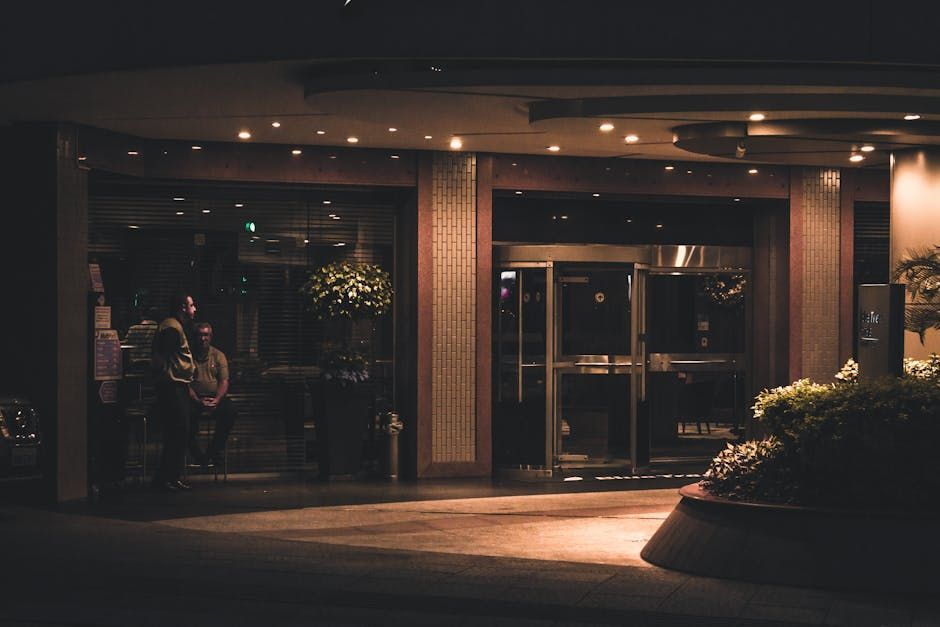
Smoked and fumed oak works across a wide range of interior settings—residential and commercial—because it balances visual impact with long-term resilience.
What are common applications for smoked and fumed oak flooring and furniture?
Residential flooring : Living rooms, dining areas and bedrooms benefit from the warmth and depth fumed oak provides.
Commercial spaces : Office receptions, boutique retail and hospitality areas take advantage of its wear resistance and consistent appearance.
Furniture design : Bespoke pieces use smoked oak to introduce a cohesive, elevated tone across joinery and furnishings.
How can smoked oak be integrated with modern and traditional design styles?
Smoked oak adapts easily: use it with clean-lined contemporary fittings for contrast, or pair it with classic mouldings and textiles to reinforce a traditional palette. Its neutrality in tint but richness in tone makes it an excellent partner for varied materials and finishes.
How to maintain and care for fumed oak flooring
Routine care keeps fumed oak looking its best and extends the life of the finish. Simple, consistent maintenance is usually all that's required to protect your investment.
What are the best cleaning and care practices for longevity?
Regular dusting : Remove grit and dust with a soft broom or microfibre mop to prevent abrasion.
Gentle cleaning solutions : Use a damp cloth and a pH-neutral cleaner formulated for wood; avoid household detergents that can dull finishes.
Avoid excess water : Do not soak the floor—excess moisture can cause movement and damage.
How can scratches and wear be repaired on fumed oak surfaces?
Small surface scratches can often be blended with a touch-up kit or matching filler. For deeper damage, targeted sanding and reapplication of the original finish will restore appearance. Regular inspection and prompt attention to wear spots prevent larger repairs later on.
Frequently Asked Questions
What is the difference between fumed oak and other types of wood flooring?
Fumed oak is distinguished by its treatment: ammonia fuming alters the wood's internal colour, unlike surface stains or pigmented finishes. The result is a richer, more stable hue that highlights grain patterns and generally offers greater resistance to surface wear compared with untreated or stained alternatives.
Can fumed oak flooring be installed in moisture-prone areas?
Fumed oak is a hardwood and durable, but solid wood is still vulnerable to prolonged moisture. We normally advise against installing it in bathrooms or below-ground rooms unless specific moisture-management measures or engineered products are used. For wet areas, consider engineered boards or high-quality vinyl that replicate the look while offering better moisture resistance.
Is fumed oak suitable for underfloor heating systems?
Fumed oak can work with underfloor heating if installed correctly. It's important to control surface temperatures and allow for seasonal movement—using recommended adhesive, acclimatisation and installation practices. Consult with your supplier or installer to confirm compatibility and set suitable operating parameters.
Conclusion
Smoked and fumed oak delivers a distinctive, enduring finish that suits luxury interiors where authenticity and performance matter. Properly specified and cared for, these floors provide depth and texture without the artificial look of surface stains. At Dyfed Richards we offer tailored fuming and finishing options, matched samples and professional installation to ensure every floor meets the design intent and performs for years to come. Discover our fumed oak range and speak to our team about a sample for your project.