Threshold and Transition Details for Professional Timber Installations
Timber flooring performs best when the small details are right. Transitions and thresholds do more than tidy the join between surfaces — they protect edges, manage movement and complete the design. This guide explains the practical and design-led choices involved in timber floor transitions: common threshold types, the role of expansion gaps, installation best practice and how handcrafted hardwood thresholds can lift an interior. Whether you're a homeowner or a contractor, understanding these elements will help you achieve a durable, elegant finish.
We cover: what timber thresholds are and the common profiles, how expansion gaps influence performance, recommended edge details for engineered floors, the design advantages of bespoke thresholds, solutions for joins between different floor types, and why skilled installation from teams such as Dyfed Richards matters.
What Are Timber Flooring Thresholds and Transition Strips?
Thresholds and transition strips are the finishing pieces that join different floors or meet fixed edges. They resolve level changes, conceal necessary gaps and protect vulnerable board edges. When specified and installed correctly, they deliver a tidy, durable junction that complements the wider floor design.
Which Types of Thresholds and Transition Profiles Are Used in Professional Timber Installations?
On professional projects we typically use a small set of reliable profiles chosen to meet both technical and aesthetic needs. T-Bar profiles are ideal where two floors sit at the same or similar height; they give a clean, restrained join that reads as intentional. Reducer profiles are used to negotiate a drop between a higher timber floor and a lower surface — they create a gradual, safer transition. Stair nosings are specifically formed for stair edges to protect the board end, improve durability and meet safety standards.
Each profile is selected for the specific height, traffic and design brief of the installation.
What Materials Are Commonly Used for Bespoke Hardwood Thresholds?
Bespoke thresholds are crafted in stable, attractive hardwoods chosen for longevity and visual match. Oak is durable with a prominent grain — a versatile, classic option. Maple is lighter-toned with a fine grain, well suited to contemporary schemes. Walnut is rich in colour and character — used where a more luxurious aesthetic is required.
Appropriate material choice ensures the threshold sits comfortably within the design while standing up to everyday use.
How Do Expansion Gaps Affect Timber Floor Transitions and Installation?
Timber moves with humidity and temperature. Expansion gaps give the floor room to breathe; without them boards can cup, buckle or force finishes apart. Correctly planned gaps are a small but critical part of a lasting installation.
What Is an Expansion Gap and Why Is It Crucial for Timber Flooring?
An expansion gap is the deliberate space left at perimeters and fixed edges so timber can expand and contract. For most installations we recommend around 10–15mm around the room perimeter, though exact allowances depend on species, board width and site conditions.
How Are Expansion Gap Solutions Implemented in Professional Installations?
Installers mark and control expansion gaps with spacers during installation, and where visible edges matter they may conceal gaps with flexible trim, compressible backing or carefully detailed threshold profiles. The aim is always to allow movement while preserving a neat, finished appearance.
What Are the Best Practices for Installing Engineered Wood Flooring Edge Details?
Edge details for engineered flooring demand precision. Accurate layout, consistent gaps and considered fixing methods ensure transitions remain stable and attractive over time.
How Does Subfloor Preparation Influence Seamless Floor Transitions?
A flat, clean, dry subfloor is the foundation of a seamless transition. Preparation can include repairs, levelling, debris removal and moisture testing — all essential steps to avoid future unevenness or movement.
Which Installation Methods Ensure Durable and Aesthetic Threshold Integration?
Choose the fixing method to suit the product and the location. The glue-down method with adhesive to the subfloor creates a very stable bond — common where movement must be minimised. The nail-down method adds long-term robustness, particularly in heavy-use areas. The floating method allows the floor and threshold to move as a single system, useful for engineered floors over underlay.
The correct method depends on the floor type, traffic and the installer's recommendation.
How Can Bespoke Hardwood Thresholds Enhance Architectural and Interior Design?
A well-crafted threshold completes the visual flow between spaces. Bespoke thresholds allow us to match species, grain and finish, or introduce a considered contrast that defines transitions without interrupting the design.
What Custom Detailing Options Are Available for Stair Nosings and Thresholds?
Typical custom options we offer include profile customisation — shaping the threshold to suit step geometry or a specific visual outcome. Inlays add metal, contrasting timber or other materials for a refined detail. Tailored stains, oils or lacquers harmonise with the surrounding floor.
These refinements turn a necessary technical element into an intentional design feature.
How Do Threshold Choices Impact Visual Flow and Aesthetic Appeal?
The right threshold either blends with the floor to preserve flow or offers a subtle edge that frames a space. Thoughtful choice supports the interior narrative, helping rooms feel connected, or deliberately separate, depending on the brief.
What Are Effective Solutions for Luxury Wood to Tile and Other Flooring Transitions?
Joining luxury timber to tile, carpet or concrete requires measured solutions that match heights and anticipated movement while keeping the junction tidy and safe.
How Are Timber to Tile, Carpet, and Concrete Transitions Managed Professionally?
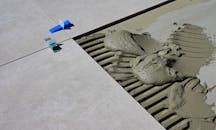
Installers use matching transition strips — reducers for drops to tile, T-bars or carpet trims where heights align — and ensure the chosen profile sits flush and secure. Good detailing eliminates trip hazards and gives a durable junction.
What Are Commercial Grade Floor Edge Details for High-Traffic Areas?
For commercial or high-use spaces we specify reinforced thresholds: dense hardwoods or metal inserts that resist wear, combined with stronger fixing methods. Materials that tolerate cleaning and maintenance cycles are prioritised to preserve appearance and performance.
How Does Professional Installation by Experts Like Dyfed Richards Ensure Quality and Longevity?
Skilled installation makes the difference between a good floor and a floor that lasts. Our team combines technical know-how with craft finishing to ensure thresholds perform and look right for years.
What Services Are Included in Professional Timber Threshold Installation?
Dyfed Richards provides a full service that typically includes consultation with site assessment and material recommendations tailored to the project, custom fabrication of bespoke thresholds made to match the floor and brief, and expert installation with accurate fitting and finishing to deliver a durable, refined result.
We aim to deliver a coherent, dependable finish that reflects the quality of the whole installation.
Frequently Asked Questions
What are the benefits of using bespoke hardwood thresholds over standard options?
Bespoke thresholds are made to fit the project — they match the floor species, finish and proportions. That gives a more cohesive appearance and allows for tailored profiles or inlays. Because they're crafted from quality hardwood and finished to suit the environment, they also tend to be more durable than off-the-shelf pieces.
How can I maintain the appearance of my timber flooring thresholds?
Simple, regular care preserves thresholds: dust or sweep to remove grit, wipe with a soft damp cloth and avoid abrasive chemicals. In higher-wear areas apply or renew a protective finish as recommended by the floor manufacturer. Where scratches or wear occur, selective sanding and re-finishing will restore the look.
What factors should I consider when choosing a threshold for different flooring types?
Consider the height difference, the expected traffic, the desired visual outcome and material durability. A reducer suits a drop, a T-bar works where heights match, and robust materials are best for busy zones. Always check how the profile will allow for movement and how it will be fixed.
Are there specific installation techniques for thresholds in high-traffic areas?
Yes. For heavy use we recommend stronger fixing methods (nails or structural adhesive), denser timber species or metal-reinforced profiles, and meticulous subfloor preparation. These choices reduce movement and wear, extending the service life of the threshold.
Can I customise the design of my timber flooring thresholds?
Absolutely. Thresholds can be shaped, inlaid or finished to suit your interior. We often tailor profiles and finishes so the threshold becomes a deliberate design element rather than an afterthought.
Conclusion
Timber transitions and thresholds are small in scale but large in impact. Choosing the right profile, material and installation method protects the floor, manages movement and completes the interior look. For projects that demand precision and a considered finish, Dyfed Richards offers the expertise and bespoke fabrication to get the details right. Explore our services to see how bespoke hardwood thresholds can elevate your flooring project.