FSC and PEFC Certification: Sustainable Timber Flooring Explained
Choosing timber with recognised certifications is no longer niche — it's essential. This guide explains what FSC and PEFC labels mean, why they matter for forests and communities, and how to specify certified timber flooring for homes and commercial projects. You'll find clear definitions, the certifications' impact on the timber supply chain, and how Dyfed Richards sources and installs responsibly produced floors you can trust.
What is FSC Certified Wood Flooring and Why Does It Matter?
FSC-certified wood flooring comes from forests managed to the Forest Stewardship Council's environmental and social standards. That means timber is harvested with long-term forest health, biodiversity and local rights in mind. In short, the FSC label gives you confidence that your floor supports responsible forest stewardship rather than short-term extraction.
Understanding FSC Certification Standards and Labels
FSC uses a few clear labels to show how wood was sourced: FSC 100%, FSC Mix and FSC Recycled. FSC 100% means all the wood is from certified forests; FSC Mix combines certified and controlled sources; FSC Recycled is made from reclaimed or post-consumer material. Knowing these distinctions helps you pick the level of traceability and sustainability you require for your project.
How FSC Certification Ensures Ethical and Sustainable Timber Sourcing
FSC requires independent audits of forest management, protecting wildlife habitats and local communities' rights while enforcing environmental safeguards. Buying FSC-certified flooring supports those practices — it's a practical way to encourage ethical forestry and help reduce illegal logging and habitat loss.
How Does PEFC Certification Support Sustainable Timber Flooring in the UK?
PEFC (Programme for the Endorsement of Forest Certification) is another respected system that promotes sustainable forest management and chain of custody. In the UK, PEFC is widely used by domestic suppliers and offers a robust route to demonstrate sustainable sourcing across the supply chain.
PEFC Forest Management and Chain of Custody Explained
PEFC certification combines on-the-ground forest management standards with a chain of custody system that traces timber from forest to finished product. Regular audits verify compliance, so customers can be confident the certified product truly comes from sustainably managed sources.
Impact of PEFC Certification on UK Timber Flooring Suppliers
For UK suppliers, PEFC certification opens markets and reassures buyers that products meet recognised sustainability standards. It builds trust with specifiers and end users, and it encourages suppliers to adopt better forestry and sourcing practices across their operations.
What Are the Environmental and Social Benefits of Sustainable Hardwood Flooring?
Sustainable hardwood flooring delivers more than visual warmth — it helps preserve forests, supports fair working conditions and contributes to long-term environmental resilience. Certified timber offers measurable social and ecological benefits alongside lasting beauty.
Carbon Footprint Reduction and Carbon Sequestration in Certified Timber
Certified timber aids carbon management: growing trees store carbon, and responsibly managed forests retain that storage potential while remaining productive. Choosing certified wood supports forest systems that are more resilient to climate impacts, helping to reduce net greenhouse gas emissions over time.
Biodiversity Protection and Ethical Labour Practices in Sustainable Forestry
FSC and PEFC standards aim to maintain healthy habitats and protect species diversity while promoting safe, fair work for forestry communities. By choosing certified flooring, you're supporting practices that safeguard ecosystems and respect workers' rights.
How to Specify Certified Timber Flooring for Commercial Projects?
Specifying certified timber for commercial work means combining legal compliance with recognised sustainability targets. The result is a floor that meets regulatory needs and contributes to your project's environmental credentials.
Compliance with UK Timber Regulation and Legal Requirements
The UK Timber Regulation requires timber to be legally sourced — a baseline that aligns closely with FSC and PEFC principles. Specifying certified timber helps demonstrate due diligence and reduces legal and reputational risk for your project.
Aligning Timber Flooring with BREEAM and LEED Green Building Standards
BREEAM and LEED award credits for responsibly sourced materials. Using FSC or PEFC certified timber can help projects earn those credits and bolster wider sustainability goals, making your specification more attractive to clients and occupiers focused on green credentials.

What Sustainable Timber Flooring Products Does Dyfed Richards Offer?
With over 20 years in the trade, Dyfed Richards specialises in bespoke timber floors for domestic and commercial projects. We combine traditional craft with modern environmental standards, supplying and fitting sustainably sourced engineered and solid wood floors tailored to each brief.
Range of FSC and PEFC Certified Engineered and Solid Wood Flooring
Our range includes both engineered and solid timber options in FSC and PEFC certified grades. Engineered boards give dimensional stability for varied installations; solid planks offer enduring character. All are selected from responsibly managed forests so you can specify with confidence.
Case Studies Showcasing Sustainable Flooring Installations
We've completed many projects that demonstrate the longevity and visual appeal of certified floors. Our case studies show how sustainable choices perform in real settings and underline the environmental benefits clients achieve by choosing certified timber.
How Can You Verify and Identify Ethical Wood Flooring Certification?
Trustworthy certification relies on clear labels and transparent paperwork. Learn to spot the marks and ask suppliers for proof so you can be sure the timber in your floor is genuinely ethical.
Recognising FSC and PEFC Labels on Timber Flooring Products
Look for FSC and PEFC logos on product packaging, invoices or spec sheets. These marks indicate third‑party certification; when in doubt, ask your supplier for chain of custody documentation to confirm the product's certified origin.
Frequently Asked Questions
What are the differences between FSC and PEFC certifications?
Both FSC and PEFC promote sustainable forest management but use different approaches. FSC applies a single global standard with strong social and environmental safeguards; PEFC recognises national systems and is widely used by local suppliers. Both are credible — your choice depends on the supply chain and which standard best fits your project priorities.
How can I ensure the timber flooring I purchase is genuinely certified?
Check for FSC or PEFC logos and request evidence of certification and chain of custody from your supplier. Reputable suppliers provide clear documentation and are happy to explain the product's provenance. If needed, verify certificates with the issuing body's online database.
Are there specific maintenance requirements for sustainable timber flooring?
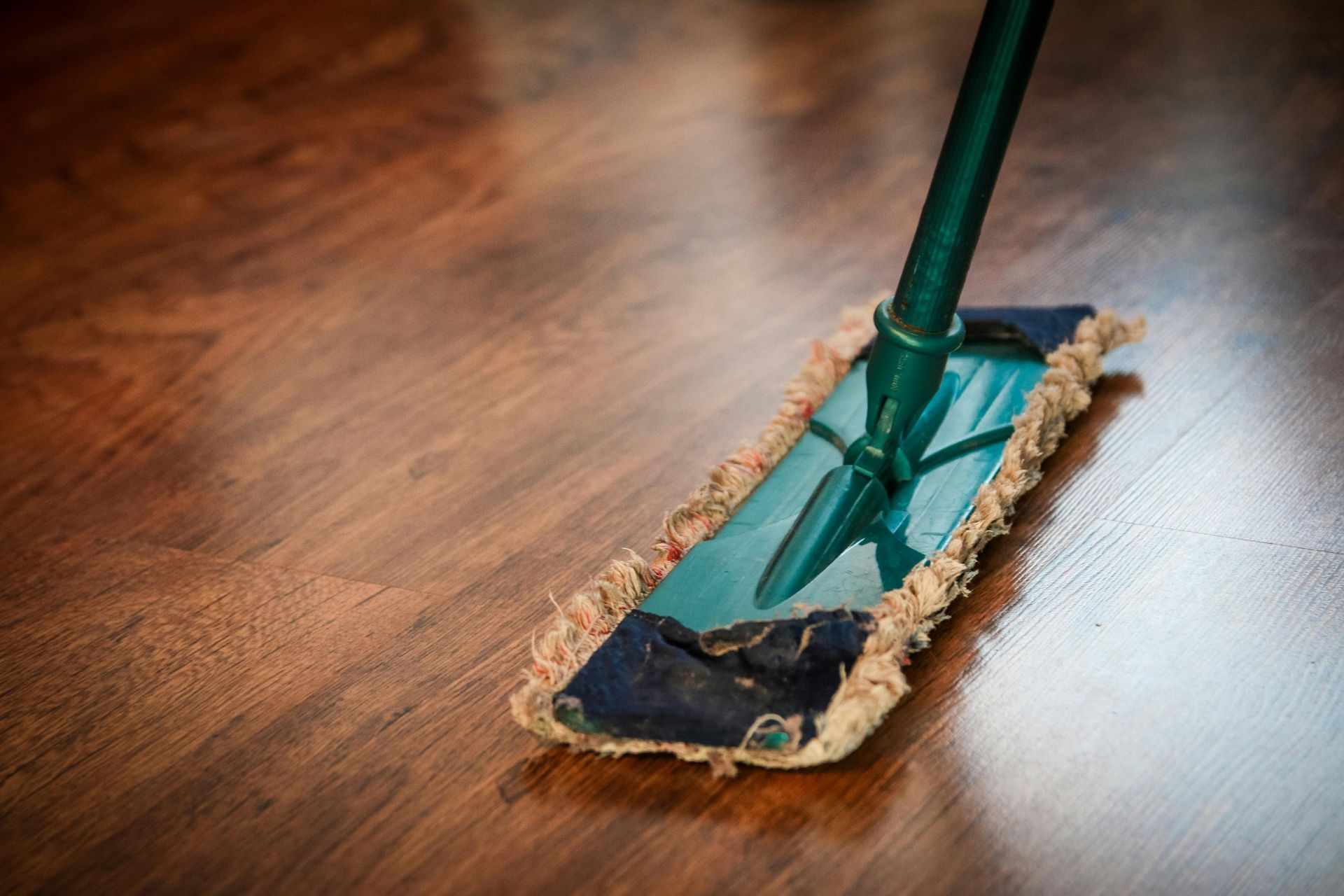
Certified timber floors care for much like other wood floors: regular cleaning with a damp mop and pH-neutral cleaner, protective pads under furniture, and avoidance of excess moisture. Periodic refinishing will keep the floor looking its best and extend its lifespan — follow the manufacturer's guidance for your chosen finish.
Can sustainable timber flooring be used in high-traffic areas?
Yes. Engineered timber, in particular, is well suited to busy spaces thanks to its dimensional stability and durable construction. Selecting the right species, board construction and finish — and following recommended maintenance — ensures a sustainable floor can handle heavy use.
What are the long-term benefits of investing in sustainable timber flooring?
Long-term benefits include environmental gains from responsible sourcing, reduced maintenance and repair costs due to durability, and increased property appeal. A certified timber floor also carries the added value of ethical sourcing, which matters to many buyers and occupiers.
Conclusion
Choosing FSC or PEFC certified timber is a straightforward way to support better forestry while enjoying the lasting beauty of wood. Certified floors protect ecosystems, respect workers and give you confidence in your specification. If you're planning a project, speak to Dyfed Richards — we'll help you select and install an eco‑aware floor that performs and endures.