Timber Flooring for Schools and Educational Buildings: UK Guide
Timber flooring is becoming a first-choice material for schools and other education buildings because it balances long-term performance, occupant wellbeing and environmental responsibility. This guide sets out the practical benefits, the timber types that work best in different school spaces, recommended installation and maintenance approaches, and the key UK regulations to consider. It's aimed at school leaders, facilities teams and specifiers who want flooring that improves learning spaces while remaining safe, hygienic and cost-effective over the long term.
What are the key benefits of timber flooring for educational buildings?
Timber flooring brings a mix of practical and environmental advantages that suit busy, variable school environments. Its natural properties support durability, safety and acoustic control — all important for focused, healthy learning spaces.
Durability and longevity are central to the value timber offers in schools. Well-specified timber floors withstand heavy foot traffic and everyday wear. With routine care they can remain serviceable for decades, making them a sensible lifecycle investment for schools.
Safety and hygiene are equally important considerations. Timber surfaces are easier to clean and less likely to trap dust and allergens than textile options. That helps schools manage hygiene and indoor air quality for pupils and staff.
Acoustic benefits are often underappreciated. Properly detailed timber floors can improve classroom acoustics, reducing reverberation and background noise so teachers and learners can communicate more clearly.
How does timber flooring enhance durability and longevity in schools?
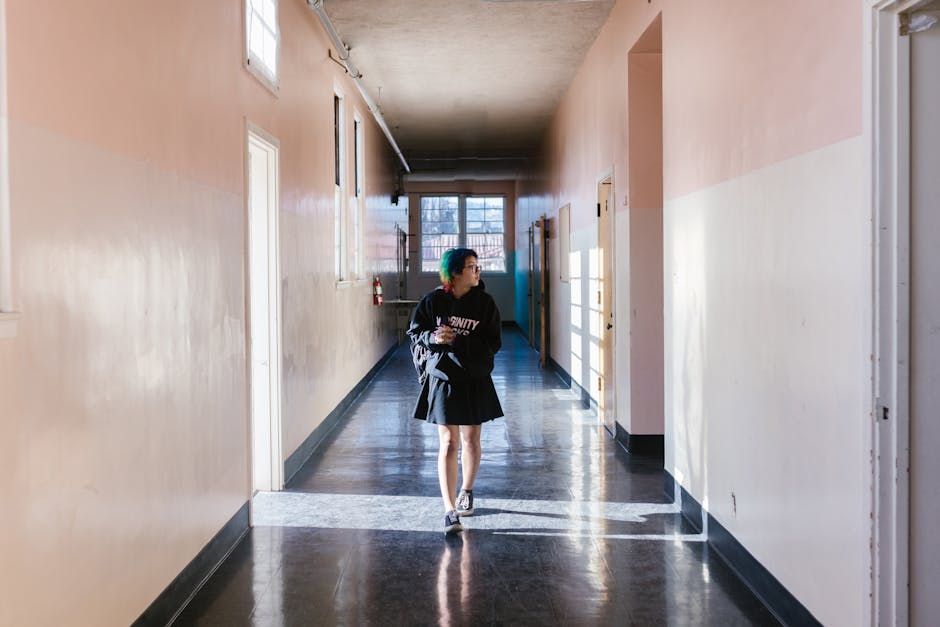
Timber floors are built to take the daily demands of school life. With the right species, finish and installation they tolerate abrasion, furniture movement and cleaning routines. Proper maintenance — periodic inspections and refinishing where needed — keeps the surface looking good and can extend service life well beyond 30 years, reducing whole-life replacement costs.
Why is timber flooring a safe and hygienic choice for schools and nurseries?
Timber floors are simple to keep clean and don't trap dust, mites or bacteria the way carpets can — an important advantage in classrooms and nurseries. Many timber products also meet low VOC standards, helping to protect indoor air quality for younger pupils and staff alike.
Which types of timber flooring are best suited for schools and universities?
Choice depends on the space and its use — classrooms, corridors and sports halls each have different demands. Consider moisture exposure, wear patterns and acoustic needs when choosing between solid and engineered options and when selecting species.
Solid hardwood can be sanded and refinished several times, offering long-term renewability. Engineered hardwood uses a layered construction for dimensional stability, making it better where humidity or temperature vary.
For species selection, hardwoods such as oak and maple are common in educational settings because of their wear resistance and consistent performance. Oak provides a robust, attractive finish; maple is often specified for sports halls where a smooth, shock-absorbing surface is required.
What are the differences between solid and engineered hardwood floors for educational use?
Solid hardwood is a single piece of timber that can be refurbished multiple times, which supports long-term reuse. It is more sensitive to moisture and movement. Engineered hardwood offers greater dimensional stability and is therefore a reliable choice in areas with fluctuating humidity or where installation over underfloor services is needed.
Which wood species offer optimal performance for school sports halls and classrooms?
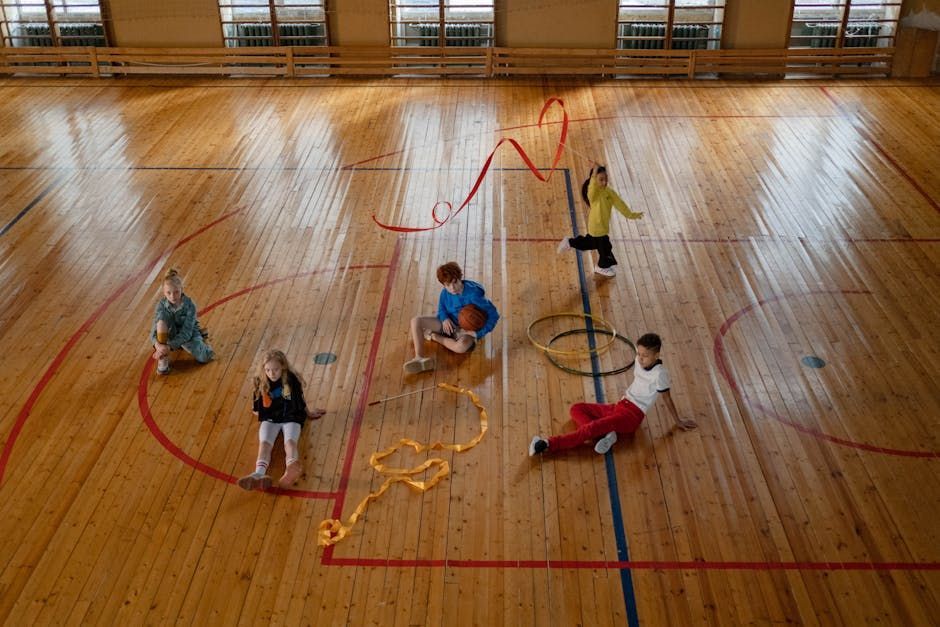
For sports halls, maple is widely used for its shock absorption and consistent surface. In classrooms and circulation spaces, oak combines durability, appearance and the ability to take repeated refinishes — a practical match for high-traffic teaching areas.
How is timber flooring installed and maintained in educational facilities?
Careful installation and a clear maintenance regime are essential to getting the expected lifespan and performance from timber floors in schools.
Professional installation requires correct subfloor preparation, acclimatisation of the timber and suitable fixing methods to prevent movement, gaps or unevenness. Regular maintenance through routine cleaning, scheduled inspections and periodic refinishing are straightforward measures that protect appearance and performance over the floor's lifetime.
What is the professional installation process for school and university timber floors?
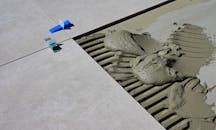
Site preparation confirms the subfloor is dry, level and free from contaminants. Acclimatisation allows the timber to stabilise to the building's temperature and humidity before fixing. Installation uses appropriate fixing and detailing to achieve a stable, long-lasting finish that meets the building's use patterns.
How does regular maintenance extend the life of timber flooring in schools?
A straightforward maintenance schedule — daily cleaning to remove grit, regular inspections to spot damage, and refinishing at planned intervals — preserves slip resistance and appearance. That proactive approach minimises disruptive replacements and keeps floors safe and attractive for pupils and staff.
What are the acoustic and environmental advantages of timber flooring in educational settings?
Timber contributes both to sound control and to a lower environmental footprint when sourced and specified correctly, making it a sensible choice for modern education buildings.
For acoustic performance, timber floors, when paired with suitable underlays and detailing, can reduce reverberation and improve speech clarity — particularly important in classrooms and libraries.
Sustainability features are equally significant. Timber is renewable and, when certified by schemes such as FSC or PEFC, provides a verifiable low-carbon material choice for schools aiming to reduce embodied carbon.
How does timber flooring improve acoustics in classrooms and libraries?
The right floor build-up helps absorb and manage sound, reducing background noise and reverberation so teachers can be heard more clearly and students concentrate better. Acoustic performance is achieved through material choice and correct detailing at installation.
Why is sustainable, low VOC timber flooring important for schools and nurseries?
Selecting certified, low-VOC timber supports healthier indoor air and demonstrates environmental responsibility. For institutions concerned with wellbeing and sustainability, these specifications are simple, high-impact decisions.
How does timber flooring comply with UK regulations and safety standards for schools?

Timber floors installed in schools must meet relevant UK building and safety standards to ensure accessibility, acoustic performance and user safety.
Relevant UK building regulations require floors to be specified to meet regulatory requirements for safety, accessibility and environmental impact as set out in applicable guidance and legislation. Safety standards for educational facilities mean specialist areas such as sports halls need timber floors that satisfy slip resistance and impact attenuation criteria to protect users.
What UK building regulations and accessibility standards apply to school flooring?
Key guidance includes Building Bulletin 102 for acoustic design in schools, alongside relevant sections of the Building Regulations such as Part M for accessibility. Following these documents helps ensure floors perform for all users.
How does slip resistance and shock absorption ensure safety in school sports halls?
Timber sports floors are tested for slip resistance and shock absorption to reduce injury risk during physical activity. Choosing surfaces that meet recognised performance tests is essential for pupil safety and delivering physical education programmes.
Frequently Asked Questions
What maintenance practices are recommended for timber flooring in schools?
Keep floors free of grit and moisture with daily sweeping or vacuuming, and use manufacturer-approved cleaning products for deeper cleans. Schedule inspections to catch scratches, edge lifting or moisture ingress early, and plan refinishing cycles to refresh protective coatings and restore slip resistance.
How does timber flooring contribute to a sustainable environment in schools?
Timber is renewable and stores carbon. When sourced from FSC- or PEFC-certified forests and manufactured with low-emission finishes, timber flooring reduces embodied carbon and supports a school's wider sustainability goals.
What are the cost implications of installing timber flooring in educational buildings?
Initial costs for quality timber floors can be higher than some alternatives, but the long service life, ability to refinish and lower replacement frequency make timber competitive on a whole-life basis. Factor in maintenance planning and appropriate finishes to optimise value.
Are there specific timber flooring options that are better for high-traffic areas in schools?
Engineered hardwood and robust species such as oak and maple perform well in high-traffic zones. Durable finishes and protective detailing at entrances help preserve appearance and reduce wear in corridors and reception areas.
Conclusion
Timber flooring offers schools a practical blend of durability, safety and sustainability when it's specified and installed correctly. Its acoustic and indoor-air benefits support better learning environments, while certified timber and low-VOC finishes help meet environmental targets. If you're planning a refurbishment or new build, we can help you specify the right timber solution for each space and deliver it to perform for years to come.