Timber Flooring Solutions for High-Traffic Retail Environments
Timber is a top choice for busy retail environments because it combines longevity, style and flexibility. This guide explains which timber floors work best in commercial settings — from engineered boards to solid hardwood and parquet — and how the right species, finish and installation extend performance. We cover what to look for, which woods stand up to heavy footfall, the finishes that protect your investment and why professional fitting matters for long-term results.
Which types of timber flooring suit commercial retail spaces best?
Choosing the right timber depends on how your space is used. For most retail settings, engineered wood, solid hardwood and parquet are the most practical choices — each offers a different balance of durability, appearance and maintenance.
How does engineered wood perform in high-traffic retail areas?

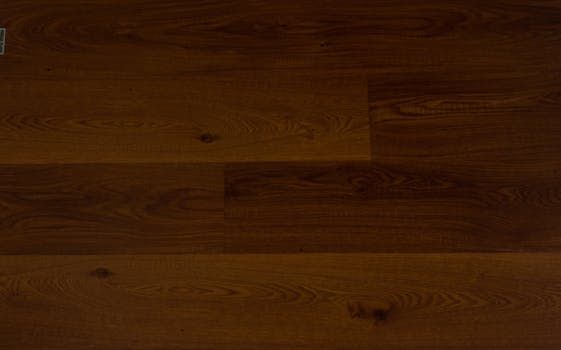
Engineered boards are built to cope with everyday commercial wear. Their multi-layer construction gives them stability and improved moisture resistance, so they are less likely to cup or warp than solid timber. They come in a wide range of finishes and profiles, so you can get the look you want without compromising on robustness. They can also be re-sanded, though the number of refinishes depends on the thickness of the veneer layer.
What are the benefits of solid hardwood and parquet in shops?
Solid hardwood brings a classic, long-lived finish that can be refreshed multiple times, making it a strong long-term investment when properly maintained. Parquet introduces pattern and character — its geometric layouts create focal points and can lift a retail design. Both need regular care, but their longevity and ability to be refinished make them attractive where appearance matters as much as performance.
At Dyfed Richards we provide full timber flooring services — from supply and professional installation to bespoke finishing — so your retail floor looks great and endures the daily demands of trade.
Which wood species offer the best durability for retail flooring?
Wood species have a major impact on how well a floor stands up to wear. Some species are significantly harder and more resistant to dents and abrasion, so they are better suited to commercial environments.
Why choose oak, hickory or maple for commercial use?
Oak, hickory and maple are popular for retail because of their proven durability. Oak is strong and resists knocks well; hickory is among the hardest domestic woods and excels in very high-traffic areas; hard maple has a tight, consistent grain and good wear resistance. Each offers a different aesthetic, but all deliver the resilience required for retail floors.
How does the Janka hardness scale help with wood selection?
The Janka scale measures a wood's resistance to denting and wear, which makes it a useful benchmark for retail use. For example, red oak scores around 1,290, hickory about 1,820 and hard maple roughly 1,450. These figures help you match the wood to the anticipated level of traffic and impact in your space.
Which commercial-grade finishes protect retail timber floors?
Applying a commercial-grade finish is essential to protect timber from scratches, stains and moisture — and to extend its usable life under heavy footfall.
How do UV-cured urethanes and industrial oil finishes improve durability?
UV-cured urethanes form a hard, resilient surface that resists scuffs and heavy wear, making them a popular choice for busy retail areas. Industrial oil finishes penetrate the timber, enhancing the grain and offering a durable, repairable surface that can be maintained in situ. The best option depends on the look you want and how you plan to maintain the floor.
Which maintenance practices extend the life of retail wood floors?
Regular, simple maintenance greatly extends a floor's life. Key measures include daily cleaning to sweep or vacuum and remove grit and dirt that cause surface abrasion. Plan refinishing intervals based on wear — every few years for high-traffic zones — to rejuvenate protection and appearance. Use entrance mats and protective pads to reduce abrasion and point loading. Applied consistently, these routines keep timber looking better for longer in retail settings.
How does Dyfed Richards deliver expert installation and bespoke finishing?
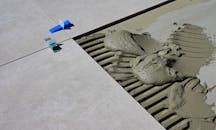
Correct installation is crucial to a floor's performance. We specialise in tailored solutions that address the specific demands of each retail project, from subfloor preparation to the final finish.
What does Dyfed Richards include in its site survey and installation advice?
Our site survey evaluates the existing substrate, traffic patterns and design objectives so we can recommend the most suitable products and fixing methods. We then provide a detailed installation plan and our experienced fitters carry out the work to industry standards, ensuring durability and a quality finish.
How does custom colour matching enhance retail flooring design?
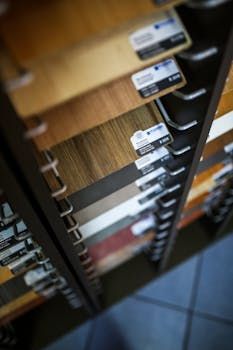
Custom colour matching lets you align the floor with your brand palette or store concept. Our bespoke finishing services create cohesive interiors that support merchandising and customer experience — a small detail that can make a big difference to how your store feels.
Why does sustainability matter for commercial timber flooring?
Retailers increasingly expect sustainable specifications. Choosing responsibly sourced timber reduces environmental impact and supports ethical supply chains — and it's a decision many customers notice and value.
How do FSC and PEFC certifications guarantee responsible sourcing?
FSC (Forest Stewardship Council) and PEFC (Programme for the Endorsement of Forest Certification) certify that timber comes from well-managed forests. These labels give confidence that the material was harvested with environmental and social responsibility in mind, which is important for both compliance and brand reputation.
Why is engineered wood often a more sustainable retail choice?
Engineered wood can be more resource-efficient than solid timber because it uses smaller amounts of hardwood for the wear layer and can incorporate faster-growing species in the core. That construction reduces pressure on slow-growing forests and can lower production emissions.
What are the cost and value considerations for retail timber flooring?
Costs vary by product and installation method, but understanding the trade-off between upfront spend and lifetime value helps retailers make the best decision for their budget and store performance.
How do installation costs differ between solid and engineered wood?
Solid hardwood often requires more labour and time to install, which can increase costs. Engineered wood is usually quicker and simpler to fit, which can reduce installation time and associated labour expenses. Factor both material and installation when planning your budget.
What long-term benefits justify investing in quality retail flooring?
Spending on higher-quality flooring delivers ongoing value through durability, as better products resist wear and reduce replacement frequency. There's also aesthetic impact — a well-finished timber floor improves customer perception and the overall look of the store. Finally, choosing responsibly sourced, long-lasting materials supports sustainability goals and enhances brand reputation. These benefits often outweigh the initial cost when considered over the life of the floor.
As a general guide, red oak scores around 1,290 on the Janka hardness scale and is ideal for high-traffic retail areas. Hickory scores about 1,820 and excels in extremely high-traffic areas. Hard maple rates approximately 1,450 and suits versatile retail applications.
Understanding options, species performance and the value of professional installation helps retailers choose floors that look great and last. Working with specialists like Dyfed Richards ensures the right product, expert fitting and finishes tailored to your store.
Frequently Asked Questions
What factors should I consider when choosing timber flooring for my retail space?
Consider durability, maintenance, desired appearance and budget. For heavy footfall choose harder species such as oak or hickory, select a finish suited to your cleaning regime, and ensure the chosen floor complements your shop layout and brand.
How can I ensure my timber flooring is environmentally friendly?
Choose timber certified by FSC or PEFC and consider engineered options that use less hardwood. Ask suppliers for chain-of-custody documentation and product details to confirm sustainable sourcing.
What are the best maintenance practices for timber flooring in retail settings?
Keep to a daily cleaning plan to remove abrasive particles, use entrance mats, avoid harsh chemicals, and schedule refinishing as wear dictates. Regular, small interventions prevent larger repair costs down the line.
How does the choice of finish affect the durability of timber flooring?
Finishes determine scratch, stain and moisture resistance. UV-cured urethanes give a hard, protective surface; oil finishes enhance the timber and are easier to touch up. Match the finish to your traffic levels and maintenance preferences.
What are the advantages of hiring professionals for timber flooring installation?
Professional installers ensure correct subfloor preparation, appropriate fixing methods and a high-quality finish. That reduces the risk of future problems like movement or unevenness and helps the floor reach its expected lifespan.
Can I customise the colour of my timber flooring to match my brand?
Yes. Many providers offer custom staining and finishing so the floor complements your brand palette. Bespoke colour matching helps create a cohesive customer experience and supports merchandising goals.
What is the expected lifespan of quality timber flooring in a retail environment?
Lifespan depends on wood type, finish and maintenance. Well-maintained solid hardwood can last for decades; engineered wood is also highly durable. Regular cleaning and periodic refinishing will significantly extend service life.
Conclusion
Choosing the right timber flooring for busy retail spaces delivers durability, visual impact and long-term value. By selecting suitable species, robust finishes and professional installation — and by prioritising responsible sourcing — retailers can create floors that perform under daily use and reinforce their brand. Speak to Dyfed Richards to explore flooring solutions tailored to your store.