Timber Flooring for Coworking and Flexible Office Spaces
Timber is increasingly the first choice for coworking and flexible office fit‑outs because it marries robust performance with considered sustainability and timeless appeal. This guide explains why engineered timber works so well in high‑traffic workplaces: from acoustic performance and responsible sourcing to design options and the practicalities of installation and care. We cover the advantages you'll notice day‑to‑day, the sustainable credentials to look for, and the installation and maintenance steps that keep a floor looking great for years.
Why choose engineered timber flooring for high‑traffic coworking spaces?
Engineered timber is built to handle the demands of busy commercial environments. Its multi‑layer construction gives greater dimensional stability and resistance to wear than traditional solid boards, so it keeps its look and function through heavy footfall, wheeled chairs and frequent reconfiguration.
What makes engineered timber ideal for flexible office environments?
Engineered timber stays more stable as temperature and humidity fluctuate, so it's far less likely to swell, shrink or cup than single‑piece solid wood. It's also quicker to install and simpler to adapt when layouts change — a practical pick for evolving coworking spaces.
How do commercial‑grade finishes enhance durability and longevity?
Commercial‑grade finishes extend a timber floor's life by protecting against scratches, stains and moisture. Options range from hard‑wearing polyurethane coatings to specialist oils and commercial hardwax systems — each offers a different balance of protection and appearance. Choose a finish that matches expected traffic levels and desired look to keep the floor performing and looking its best.
How can timber flooring improve acoustic comfort in open‑plan offices?
While timber is a hard surface that can reflect sound, when specified with appropriate acoustic underlays and complemented by soft furnishings or panels, it contributes to a far more comfortable acoustic environment. The right combination reduces echo and makes collaborative spaces easier to work in.
What acoustic benefits do timber floors provide in coworking spaces?
Timber floors, paired with suitable underlays, help absorb and dampen certain frequencies, reducing background noise and distractions. That quieter baseline improves concentration and conversation quality, making timber a strong choice for collaborative and mixed‑use spaces when acoustic treatments are part of the specification.
Which acoustic underlays are best for commercial wood flooring?
Acoustic underlay options include recycled rubber, high‑density foam, cork and felt variants — each delivers different levels of impact sound reduction and comfort underfoot. Select an underlay rated for commercial use and matched to your floor build‑up to ensure both acoustic performance and longevity.
What sustainable practices support eco‑friendly wood flooring for commercial interiors?
Sustainability matters to occupiers and specifiers alike. Timber can be an environmentally responsible choice when it's responsibly sourced, manufactured with low‑impact finishes and supplied with transparent chain‑of‑custody certification.
How do FSC and PEFC certifications ensure responsible timber sourcing?
FSC and PEFC certification confirm timber comes from sustainably managed forests and supply chains. Choosing certified products supports biodiversity, reduces illegal logging and gives assurance that forest resources are being managed for the long term — an important consideration for any commercial project with sustainability targets.
What are the well‑being benefits of biophilic design with natural wood?
Bringing natural materials like timber into the workplace supports biophilic design principles and can positively affect occupant wellbeing. Studies and practical experience show that wood finishes help reduce stress, improve perceived comfort and make spaces feel more welcoming — factors that support productivity and staff retention.
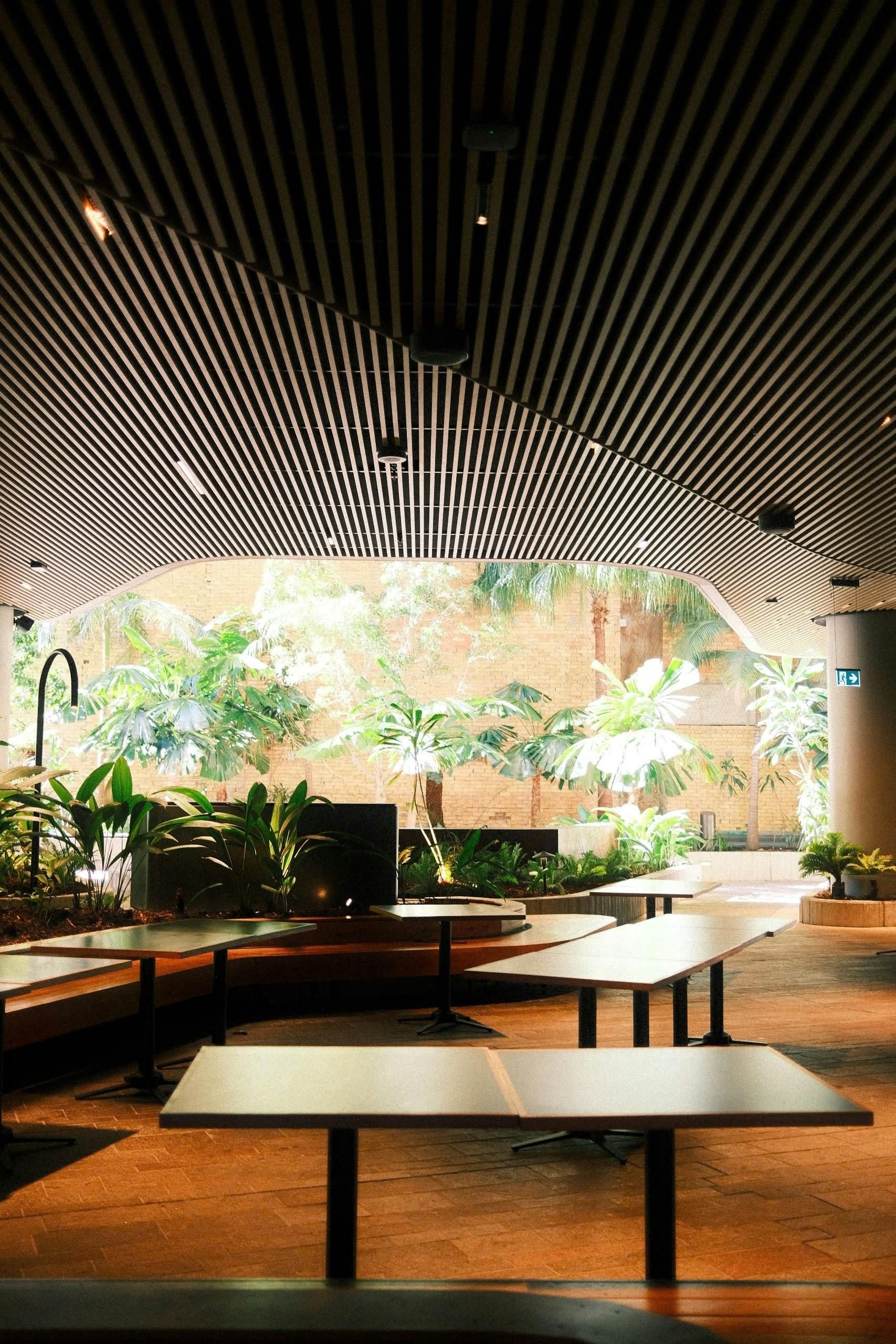
Which timber flooring designs and patterns suit modern flexible office spaces?
Timber's versatility means it can anchor a wide range of office styles, from warm, informal hubs to refined corporate suites. Thoughtful choices in pattern, board width and finish help define zones and reinforce brand identity without compromising performance.
How do herringbone and chevron patterns influence office aesthetics?
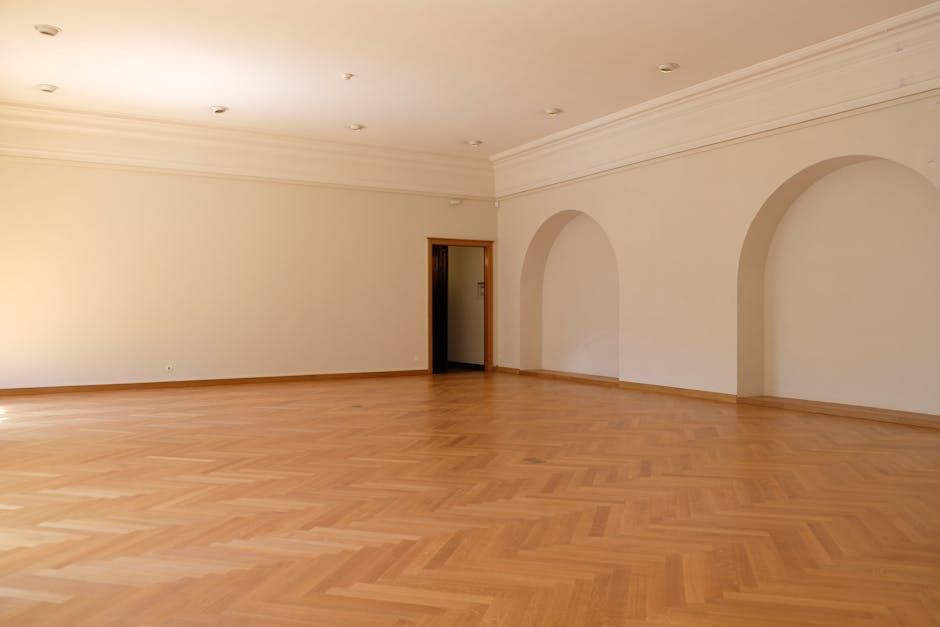
Herringbone and chevron add visual rhythm and a sense of craft to an interior, helping to delineate reception areas, meeting zones or walkways within open plans. These patterns elevate the space while remaining practical for commercial use when properly installed and finished.
What bespoke colour matching options are available for office timber floors?
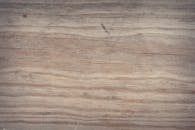
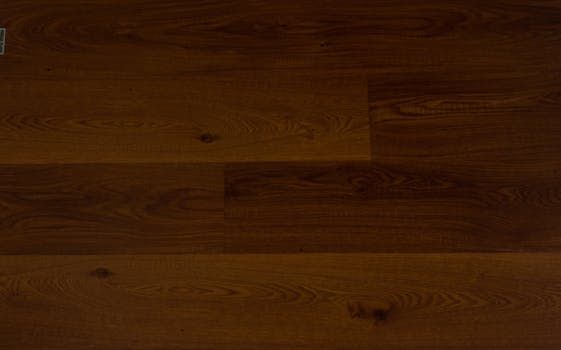
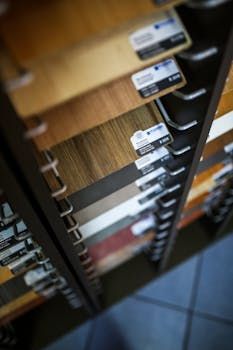
Bespoke staining and finish options let you align flooring with brand colours or interior palettes. From pale, natural tones to deeper, characterful shades, custom colour matching and finish selection deliver a cohesive look that supports the overall design brief.
How does professional installation and maintenance impact commercial timber flooring?
Correct installation and an appropriate maintenance regime are critical to long‑term performance. A professionally installed floor will perform better, look better and require fewer disruptive repairs over its life.
Why is expert installation crucial for office wood floor performance?
Professional installers ensure boards are acclimatised, subfloors prepared and fixings or adhesives chosen to suit the environment and traffic levels. That attention to detail prevents problems such as movement, gaps and premature wear, protecting your investment from day one.
What are best practices for maintaining and refurbishing high‑traffic timber floors?
Regular cleaning to remove grit, periodic application of protective finishes and prompt attention to localised wear will extend a floor's serviceable life. For busy spaces, scheduled professional maintenance and occasional refinishing restore appearance and performance without major disruption.
Frequently asked questions
What are the key differences between engineered wood and solid wood flooring?
Engineered wood is constructed from multiple layers with a hardwood face layer, which gives it superior stability in changing humidity and temperature compared with single‑piece solid wood. That makes engineered timber less prone to movement and generally easier to install and maintain in commercial settings, while solid wood retains a traditional look and can be refurbished many times.
How can timber flooring contribute to energy efficiency in office spaces?
Timber has natural insulating properties that can help moderate indoor temperatures and reduce reliance on heating and cooling. Combined with good building insulation and efficient HVAC systems, timber floors contribute to a comfortable, energy‑efficient workspace and support wider sustainability goals.
What maintenance tips can help prolong the life of timber flooring?
Keep floors free of grit by sweeping or vacuuming regularly, use a damp mop with a recommended cleaner, and avoid excessive water. Place protective mats at entrances, use felt pads under furniture, and schedule periodic re‑coating or refinishing to address wear before it becomes damage.
Are there specific timber species that are more suitable for commercial use?
Hardwoods such as oak, maple and hickory are commonly specified for commercial floors because of their natural durability and wear resistance. Engineered versions of these species offer the same visual character with greater stability, making them a practical choice for many commercial projects.
How does the choice of finish affect the appearance and performance of timber flooring?
Finish selection affects both look and resilience: matte, satin or gloss options change surface character, while the coating type — hard polyurethane, commercial oils or hardwax — determines scratch and stain resistance. For high traffic areas, choose a commercial‑grade finish designed to withstand daily use.
Conclusion
Timber flooring is a practical and beautiful choice for coworking and flexible office interiors. Engineered timber, combined with appropriate acoustic measures, responsible sourcing and expert installation, delivers long‑lasting performance while supporting wellbeing and environmental priorities. If you're specifying a commercial floor, explore timber options that balance durability, acoustics and design to lift your workspace.