Iconic London Buildings: Timber Flooring Case Studies
Timber flooring shapes both the look and performance of some of London's most recognisable interiors. In this piece we walk through a selection of projects delivered by Dyfed Richards, showing how tailored timber solutions meet architectural briefs, heavy use and sustainability goals. You'll find practical detail from sites such as The Shard and Spotify London, together with the technical choices and environmental considerations that guide material and finish selections on prestigious jobs.
Which iconic London buildings feature Dyfed Richards' timber flooring?
Dyfed Richards has supplied and installed bespoke timber floors across a number of high-profile London addresses. Projects such as The Shard, Spotify London and the German Embassy demonstrate the studio's ability to adapt species, patterns and finishes to each building's character and use.
What timber flooring was installed at The Shard?
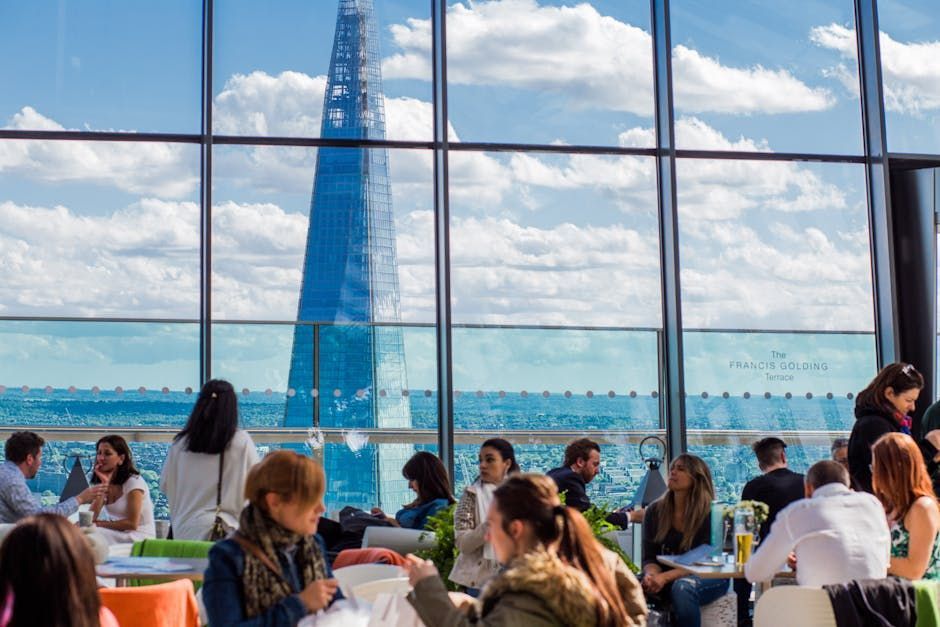
For The Shard we specified and fitted prime‑grade oak boards chosen for their grain, robustness and long service life. The install required careful planning to manage working at height and a busy, high‑traffic environment. Oak's natural warmth balances the building's contemporary palette, and the timber was selected with responsible sourcing in mind to support long‑term sustainability targets.
How did Dyfed Richards enhance Spotify London's commercial space with coloured stain and clear oiled flooring?
At Spotify London we applied a bespoke coloured stain to oak flooring, then finished it with a clear oil to protect the surface and reveal the timber's depth. The result underpins the workplace's creative energy while delivering a hard‑wearing, easy‑maintain surface that staff and management have welcomed.
How do bespoke timber flooring solutions meet the needs of prestigious London projects?
Bespoke timber flooring lets architects and clients dial in appearance, durability and performance to match each building's brief. Custom board sizes, species, finishes and laying patterns ensure the floor reads as an integral part of the architecture while standing up to daily use.
What are the benefits of prime grade panelled oak at the German Embassy?
Prime grade panelled oak offers durability suited to heavy footfall and a refined grain that complements formal interiors. Its consistency and finish create a dignified, understated backdrop appropriate to an embassy setting. Where possible, the oak is sourced from certified suppliers to support responsible forest management.

How does bespoke walnut flooring elevate The Arts Club Mayfair's interior design?
Bespoke walnut brings rich tone and subtle luxury to The Arts Club Mayfair. The species' warm hues and fine grain sit comfortably against the club's elegant finishes, while a correctly specified construction and finish ensure the floor performs under sustained use.
What are the key timber flooring patterns and materials used in London landmark projects?
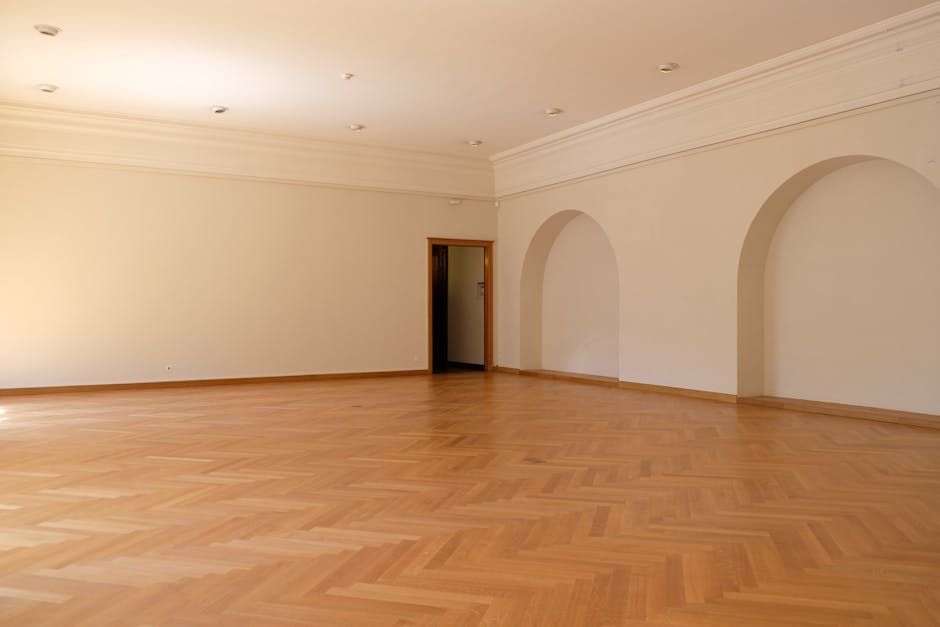
Choice of pattern and construction is central to a project's visual and technical success. Herringbone, chevron and bespoke parquet layouts are commonly used to add scale, rhythm and period character; engineered constructions or solid oak are selected according to performance needs.
How are parquet and herringbone patterns applied in commercial London buildings?
Parquet and herringbone are specified to complement the architecture — they can be used to define circulation routes, emphasise room proportions or provide a traditional counterpoint to contemporary fittings. Panels and patterns are tailored on a project‑by‑project basis to meet aesthetic and practical requirements.
What advantages do engineered wood and solid oak offer for high-traffic areas?
Engineered timber offers dimensional stability and improved resistance to moisture and subfloor movement, making it a reliable choice where environmental conditions vary. Solid oak remains prized for its longevity and ability to be sanded and refinished multiple times. Both offer robust performance when specified with an appropriate finish for heavy use.
How does Dyfed Richards collaborate with architects and interior designers on London projects?
Close collaboration with design teams is part of our process: we align on aesthetic intent, advise on build‑up and tolerances, and coordinate site works to integrate the floor with other trades. Early engagement minimises risks and ensures the finished floor supports the overall design.
What is the process for specifying timber flooring in iconic London buildings?
Specification begins with a site and brief review alongside the design team, followed by material selection, sample approval and mock‑ups where necessary. Detailed planning covers subfloor preparation, tolerances and installation sequencing so the finished floor meets both visual and performance targets.
How do bespoke timber solutions address unique architectural challenges?
Where layouts are irregular or features demand a precise finish, we develop custom board profiles, cutting schedules and installation details to achieve a seamless result. Bespoke manufacture and careful staging allow timber floors to sit neatly within complex architectural frameworks.
What technical and sustainability considerations influence timber flooring in London landmarks?
Technical performance, long‑term maintenance and environmental credentials all inform material choices. We balance acoustic, thermal and moisture requirements with durability and the client's sustainability criteria to deliver floors that perform now and remain relevant over time.
How does sustainable timber sourcing impact London commercial flooring projects?
Sourcing timber from certified, well‑managed forests reduces environmental impact and supports client sustainability targets. Specifying FSC, PEFC or equivalent certification is a straightforward way to demonstrate responsible procurement while maintaining quality and traceability.
What maintenance practices ensure longevity of luxury timber floors in high-traffic areas?
Longevity depends on regular, appropriate care: routine cleaning with manufacturer‑approved products, swift removal of grit and spillages, and scheduled re‑oil or recoat cycles. Entrance mats and protective pads also limit wear, helping the floor retain its appearance for years.
Our project portfolio demonstrates the range of solutions we deliver. At The Shard, we installed prime grade oak that's durable, responsibly sourced and delivers a contemporary aesthetic. Spotify London features coloured stain oak with vibrant finish, clear oiled protection and a creative workplace fit. The German Embassy showcases prime grade panelled oak with refined appearance, high durability and formal character. The Arts Club Mayfair benefits from bespoke walnut offering luxurious tone, warm character and resilience under use.
Frequently Asked Questions
What types of timber are commonly used in bespoke flooring solutions for commercial spaces?
Common choices include oak, walnut and various engineered constructions. Oak is selected for its durability and wide range of finishes; walnut offers richer tones for high‑end interiors; engineered boards provide extra stability where subfloor or humidity conditions might fluctuate. Each option is chosen to meet the project's visual and performance needs.
How does the choice of timber flooring impact the overall sustainability of a building project?
Timber choice affects sustainability through source, longevity and maintenance. Using certified timber and specifying durable constructions reduces the need for replacement, while finishes and maintenance regimes influence lifecycle impact. Transparent sourcing and long‑life detailing contribute positively to a project's environmental credentials.
What are the typical costs associated with bespoke timber flooring installations in London?
Costs vary with species, pattern complexity and site preparation. Bespoke installations are typically more costly than off‑the‑shelf options because of custom manufacture and detailed installation. As a guide, budgets often sit in the range of £50–£150 per square metre depending on specification and scope.
How can businesses ensure their timber flooring remains in good condition over time?
Adopt a maintenance schedule: daily cleaning to remove abrasive particles, routine inspections, and periodic re‑coating or re‑oiling as recommended by the finish manufacturer. Use of entrance mats and appropriate furniture protection will also reduce wear and extend service life.
What role does technology play in the installation of timber flooring in iconic buildings?
Technology improves precision at every stage — from digital templating and CNC cutting to moisture monitoring and laser levelling on site. These tools help deliver tight tolerances and reliable long‑term performance, particularly on complex or large‑scale projects.
Are there specific regulations or standards that must be followed for timber flooring in commercial buildings?
Yes. Installations must comply with building regulations covering fire performance, slip resistance and accessibility where relevant. Industry standards and sustainability certifications such as FSC or PEFC are also commonly required to demonstrate responsible sourcing.
Conclusion
Bespoke timber flooring brings aesthetic depth, durable performance and responsible sourcing to London's landmark interiors. By working closely with design teams and specifying the right species, construction and finish, Dyfed Richards delivers floors that meet both visual ambitions and long‑term use. If you're planning a project, we'd be pleased to discuss how our approach can support your brief.